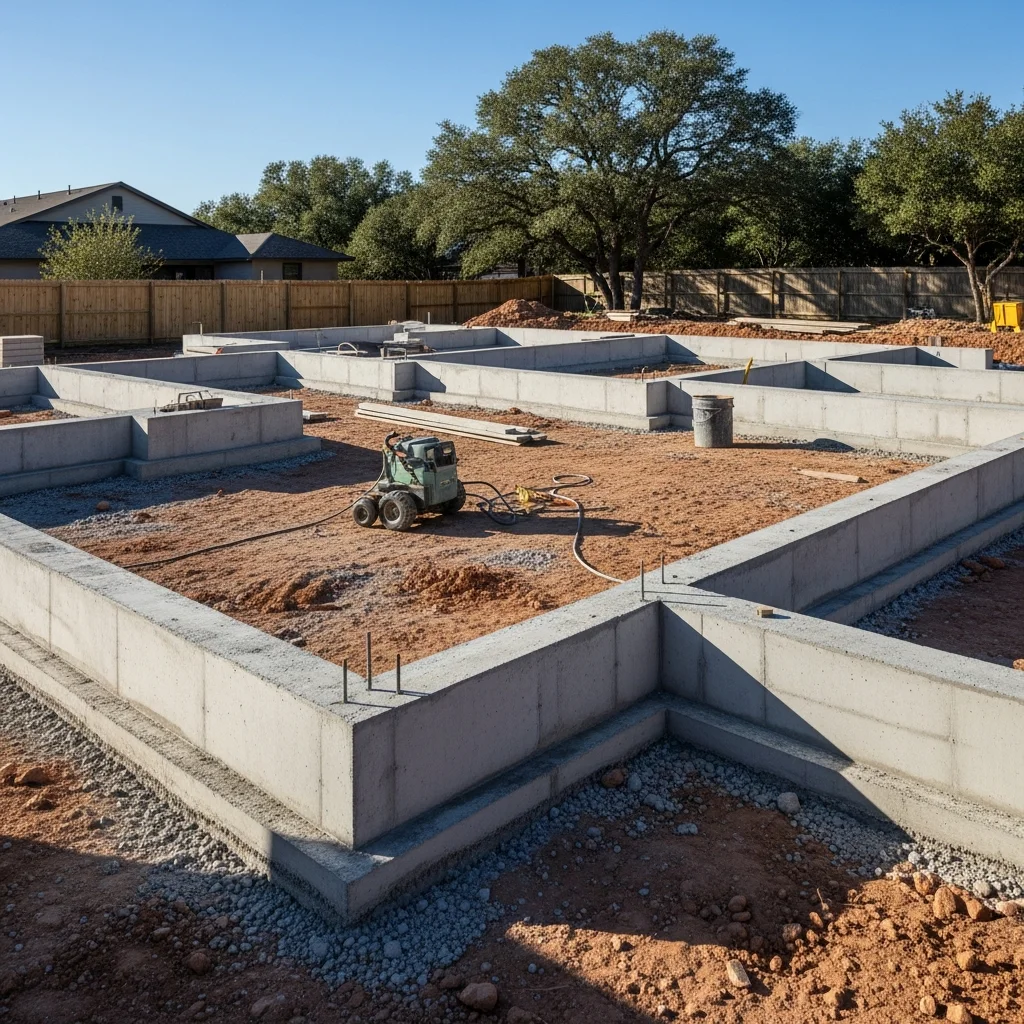
Building a new home in Austin is an exciting endeavor, and one of the most important steps is ensuring your foundation is built to last. The foundation supports your entire structure and plays a critical role in your home’s long-term stability, comfort, and value. However, Austin’s unique soil, climate, and building codes mean that homeowners need to pay special attention when planning and constructing a concrete foundation. This guide will walk you through the essentials of concrete foundations in Austin, including types, local challenges, construction steps, contractor selection, and tips for a smooth, code-compliant project.
Key Types of Concrete Foundations for Austin Homes
Choosing the right type of foundation is essential for both structural integrity and cost-effectiveness. In Austin, the most common concrete foundations include:
- Slab-on-Grade Foundations: A single, thick layer of concrete poured directly on the ground, with the edges thicker to form an integral footing. This is the most popular foundation type in Austin due to its simplicity and suitability for the region’s climate and soil. It works well in areas with minimal ground freeze and is a cost-effective option for most residential homes.
- Pier and Beam Foundations: Also called crawl space foundations, these use concrete piers or blocks to support the home above ground level, with wooden beams spanning between them. This type is sometimes chosen for homes built on uneven terrain or where soil movement is a concern.
- Basement Foundations: While less common in Central Texas due to soil conditions and expense, basements provide additional living or storage space below ground. Special engineering is required to address water table concerns and expansive clay soils.
Each type has its own benefits and considerations. Your choice will depend on your lot’s characteristics, design preferences, and budget.
The Impact of Austin’s Soil and Climate on Foundations
Austin’s geology presents unique challenges for concrete foundations. The most notable factor is the prevalence of expansive clay soils, which swell when wet and shrink when dry. This movement creates significant stress on foundations, sometimes resulting in cracks or uneven settling.
- Key factors to consider include:-Expansive Clay (Blackland Prairie): These soils require careful site preparation, moisture control, and often additional reinforcement.
- Rocky Terrain: In west Austin and Hill Country areas, shallow bedrock can impact excavation depth and may require specialized equipment or alternative foundation solutions.
- Seasonal Moisture Fluctuations: Long, dry summers followed by heavy rains can cause soil to shift dramatically. Consistent site grading and drainage are critical to minimize risks.
- Temperature Extremes: Central Texas experiences wide temperature swings that can cause concrete to expand and contract, making control joints and expansion joints essential.
Working with a contractor who understands local soil science is vital. Proper testing and preparation can prevent costly foundation problems down the road. For more insight into these challenges, see our Essential Guide to Concrete Foundations for Home Stability.
Step-by-Step Guide to the Concrete Foundation Construction Process
Building a reliable concrete foundation in Austin involves several critical steps. Here’s what to expect:
- Site Evaluation and Soil Testing: Before breaking ground, the soil is tested to determine its type, stability, and moisture content. This step helps engineers design a foundation suitable for your specific lot.
- Site Preparation: The area is cleared, leveled, and graded. For slab-on-grade foundations, a gravel or sand base is often laid to aid drainage and stability.
- Formwork and Reinforcement: Wooden or metal forms are constructed to shape the foundation. Steel rebar or mesh is placed inside to reinforce the concrete and resist cracking.
- Plumbing and Utilities: Rough-in plumbing, electrical conduit, and other utilities are installed within the foundation footprint before the concrete is poured.
- Pouring the Concrete: High-quality concrete is poured into the forms, ensuring consistent thickness and coverage. Vibrating tools are used to remove air pockets.
- Finishing and Curing: The surface is leveled and finished for smoothness or texture as specified. Proper curing is essential, a slow, controlled process that can take several days to maximize strength and prevent surface cracking.
- Inspection and Backfilling: City inspectors review the work to ensure code compliance. Once approved, the forms are removed and soil is backfilled around the foundation.
Each step requires attention to detail and strict adherence to building codes and best practices. Skipping or rushing any phase can compromise the durability and safety of your entire home.
What to Know Before Building: Austin Foundation Requirements and Permits
Building a concrete foundation in Austin is not just a matter of pouring concrete and letting it set. Homeowners must be aware of:
- Permitting: The City of Austin requires permits for most foundation work. Plans must be submitted and approved before construction begins.
- Building Codes: Local codes specify foundation depth, reinforcement requirements, vapor barriers, and moisture protection measures.
- Inspections: Multiple inspections are required at various stages (pre-pour, post-pour) to ensure compliance with structural and safety standards.
- Drainage and Site Grading: Proper drainage away from your foundation is mandatory to prevent soil movement and water intrusion.
- Energy Efficiency: In some cases, insulation or vapor barriers may be required to meet energy codes and prevent moisture-related issues.
Familiarize yourself with Austin’s building requirements or work with a contractor who handles permitting and ensures full compliance.
Tips for Choosing the Right Concrete Foundation Contractor in Austin
Your choice of contractor will make or break your foundation project. Here’s how to find a reliable partner:
- Local Experience: Choose a contractor with a proven track record building foundations in the Austin area. Local expertise ensures familiarity with soil, climate, and regulations.
- References and Reviews: Ask for references and check online reviews. Look for companies with high customer satisfaction and longstanding reputations.
- Licensing and Insurance: Ensure your contractor is fully licensed, bonded, and insured to protect your investment.
- Detailed Proposals: A trustworthy contractor will provide a detailed estimate, outlining materials, scope, timeline, and costs.
- Warranties and Guarantees: Quality contractors stand behind their work with warranties on materials and workmanship.
- Clear Communication: Look for transparency in the planning process, scheduling, and updates. Avoid companies unwilling to answer your questions or explain their process.
For a smooth experience, consider reaching out to a team like ATX Concrete Contractor which offers a 100% quality guarantee and transparent project management.
Ensuring Longevity: Maintenance and Prevention Tips
A well-built concrete foundation can last for decades, but ongoing care is essential to maximize its lifespan:
- Maintain Consistent Moisture: Prevent soil around your foundation from becoming too dry or too wet. Install gutters, downspouts, and proper landscaping to direct water away.
- Monitor for Cracks: Regularly inspect your foundation for new cracks or shifts, especially after heavy rain or drought. Address issues promptly to avoid costly repairs.
- Keep Trees Away: Large trees near the foundation can draw moisture from the soil and contribute to uneven settling.
- Schedule Professional Inspections: An annual check by a foundation professional can spot early warning signs and recommend preventative measures.
For guidance on handling issues such as cracks or repairs, visit our Repair or Replace Cracked Concrete - Austin 2026 Cost Guide.
Building With Confidence: Your Next Steps
Building a concrete foundation in Austin is a significant investment, but with careful planning and the right team, you can ensure your home stands strong for generations. Start by researching your foundation options, understanding local soil challenges, and working with experienced professionals. Always prioritize quality materials, code compliance, and transparent communication at every stage.
If you’re ready to bring your vision to life or have questions about foundation construction, reach out to ATX Concrete Contractor’s expert team for a free consultation and estimate. We’re committed to providing Austin homeowners with lasting quality, safety, and peace of mind in every project.