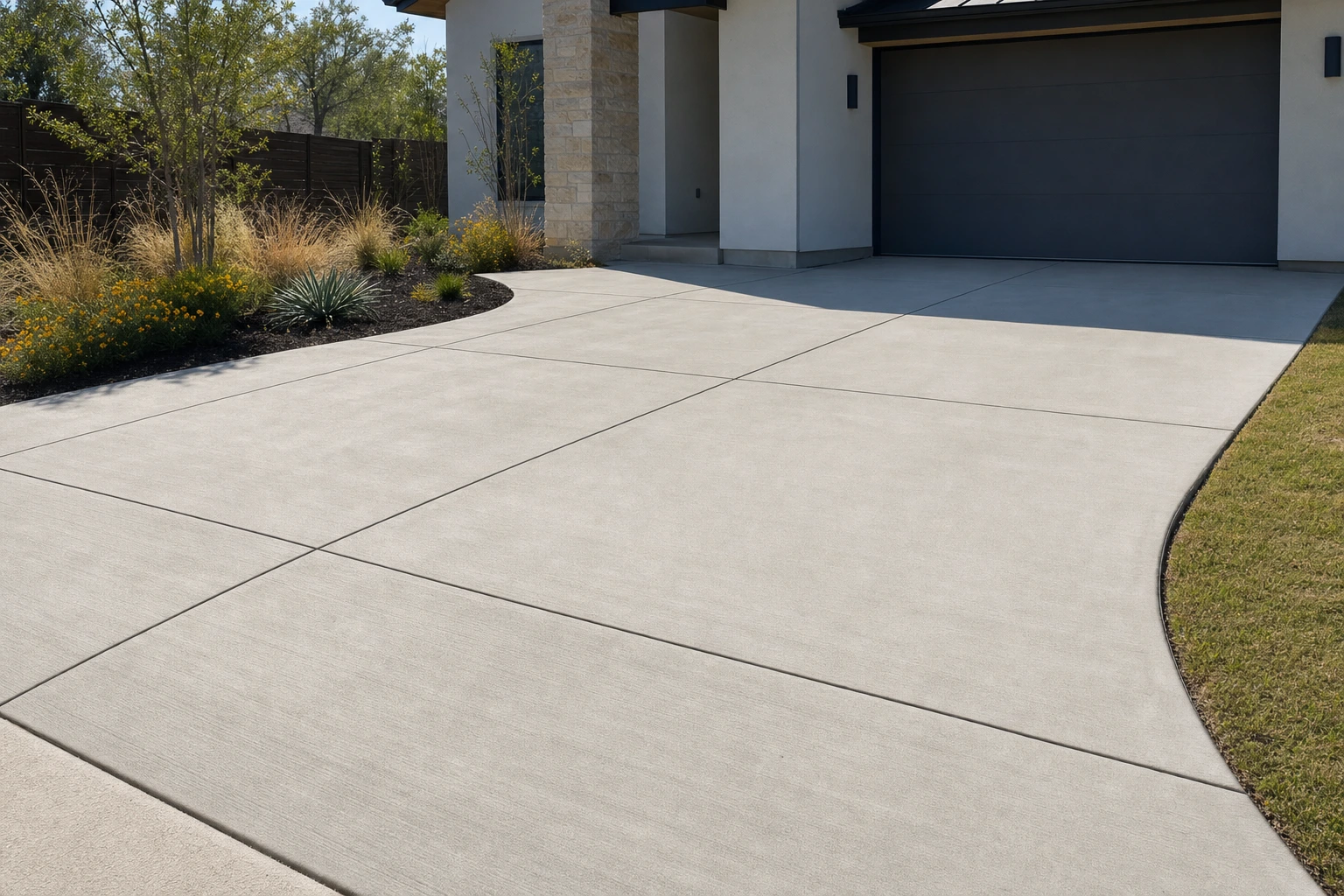
The first time we poured a concrete foundation in Austin, the morning started with a fine mist rising off the blackland prairie clay. By that afternoon, the temperature had already swung twenty degrees. That’s the real backdrop of every foundation project here, unpredictable weather, shifting soils, and hundreds of decisions you’ll never see unless you’re on site from start to finish. If you picture concrete work as trucks and wheelbarrows, you’re missing all the judgment calls and behind-the-scenes details that turn a bare lot into a rock-solid home base.
Planning Around Austin’s Soil, The Unseen Foundation Challenge
Every successful concrete foundation in Austin starts with a deep understanding of the ground beneath your feet. Central Texas is notorious for its expansive clay soils, which swell and contract dramatically with changes in moisture. Before we even think about formwork or mixing concrete, we spend time on soil testing and analysis. This isn’t just paperwork for permits, it’s the only way to know if your foundation will resist future cracks and shifting.
We review soil reports and, sometimes, dig test pits ourselves. If the lab results show high plasticity, we might call for a thicker slab or deeper footings. In some neighborhoods, we encounter caliche or limestone, requiring different reinforcement or excavation methods. These aren’t just technicalities, they’re the first domino in a chain that determines how your foundation will perform for decades.
Preparation: Getting the Site Ready for Success
Once we understand the soil profile, our team moves in to prep the site. This is where most of the “magic” happens, most of it invisible once concrete is poured. We start by clearing debris, leveling the area, and grading for proper drainage. In Austin, a well-graded site is non-negotiable. A slight slope away from the foundation keeps water from pooling, which is crucial for long-term performance.
Before forming up the slab, we bring in a layer of compacted gravel or select fill. This isn’t just to meet code, but to provide a stable, uniform surface and a capillary break that helps control moisture. We double-check compaction with a plate tamper and, if needed, bring in a soils engineer for a field density test. Cutting corners at this stage is what leads to foundation failures years later, and we refuse to gamble with that risk.
Formwork and Reinforcement: The Blueprint in Wood and Steel
The next phase is framing the outline of your new foundation. We use heavy-duty wood forms, driven precisely to grade with laser levels. Every corner must be square, every dimension checked twice. Rebar grids or post-tension cables are laid out according to the engineered drawings. In Austin, we often use a combination of both, rebar for strength and post-tensioning to resist soil movement.
What most people don’t see is the painstaking work threading rebar through beam trenches, tying intersections by hand, and supporting steel with chairs to keep it at the right height off the subgrade. We install vapor barriers to block ground moisture, and run plumbing sleeves and electrical conduit before the pour. This is where our attention to detail matters most; a misplaced pipe or missed rebar lap can mean costly problems down the line.
Pour Day: Timing, Teamwork, and Fast Decisions
Pouring a foundation in Austin is a race against the clock and the weather. We start early, coordinating with the ready-mix supplier to ensure the concrete is the right slump, temperature, and mix design for the day’s conditions. If it’s hot, we’ll often use retarding admixtures to slow curing and prevent surface cracks. If a blue norther is blowing we’ll adjust our schedule to pour during a midday window and cover the slab as soon as possible.
Our crew is positioned around the forms before the first truck arrives. One team guides the concrete chute, another spreads and vibrates the mix to eliminate air pockets. We use screeds and bull floats to level the surface, constantly checking elevation with laser transits. It’s a coordinated dance, everyone knows their role, and communication is constant. If a section sets up too fast, we work quickly to finish it before it hardens. If a pump truck is delayed, we make judgment calls on how to maintain a continuous pour.
Finishing and Curing: Where Quality Is Locked In
Once the concrete is placed, our job shifts from moving material to managing chemistry. We apply trowel finishes or broom textures as specified, being careful not to overwork the surface (which can cause crazing or dusting later). In the Texas sun, premature drying is a real risk, so we use evaporation retardants or cover the slab with curing blankets if needed.
Proper curing is critical. We keep the surface moist for several days, either by misting, applying curing compounds, or tenting with plastic sheeting. This slow, controlled cure builds long-term strength and prevents shrinkage cracks. We don’t rush this step, it’s one of the biggest differences between an average foundation and one that lasts for generations.
Judgment Calls and On-the-Fly Adjustments
No two foundation pours are alike, even in the same neighborhood. Sometimes we encounter unexpected groundwater, forcing us to bring in pumps and adjust the mix design for a wetter subgrade. Other times, the soil beneath a planned corner is softer than the rest, so we dig deeper and add extra reinforcement on the spot. We’ve had days where a surprise rainstorm hits mid-pour, and our crew scrambles to cover the slab with tarps and squeegee off standing water.
These aren’t mistakes, they’re the reality of concrete work in Austin. The difference is in how we respond. We keep extra crew members on standby for large pours, have backup equipment ready, and always build in time to address surprises. This adaptability is what sets a professional job apart from a rushed or budget operation.
The Lasting Value of a Well-Poured Foundation
A finished concrete foundation might look simple from the street, but every inch is the result of dozens of technical decisions and hands-on expertise. From the soil under your boots to the final broom finish, we treat every stage as essential. Our team believes that what you don’t see, how we prep, plan, and adapt, is exactly what delivers a foundation you can trust for the life of your home or business.
If you’re planning a new project and want to understand more about the critical role of a properly poured foundation, we invite you to read our Essential Guide to Concrete Foundations for Home Stability or explore our full range of residential concrete services. Your home’s future depends on what happens under the surface, choose a team that makes every behind-the-scenes detail count.
Atxconcretecontractor.com