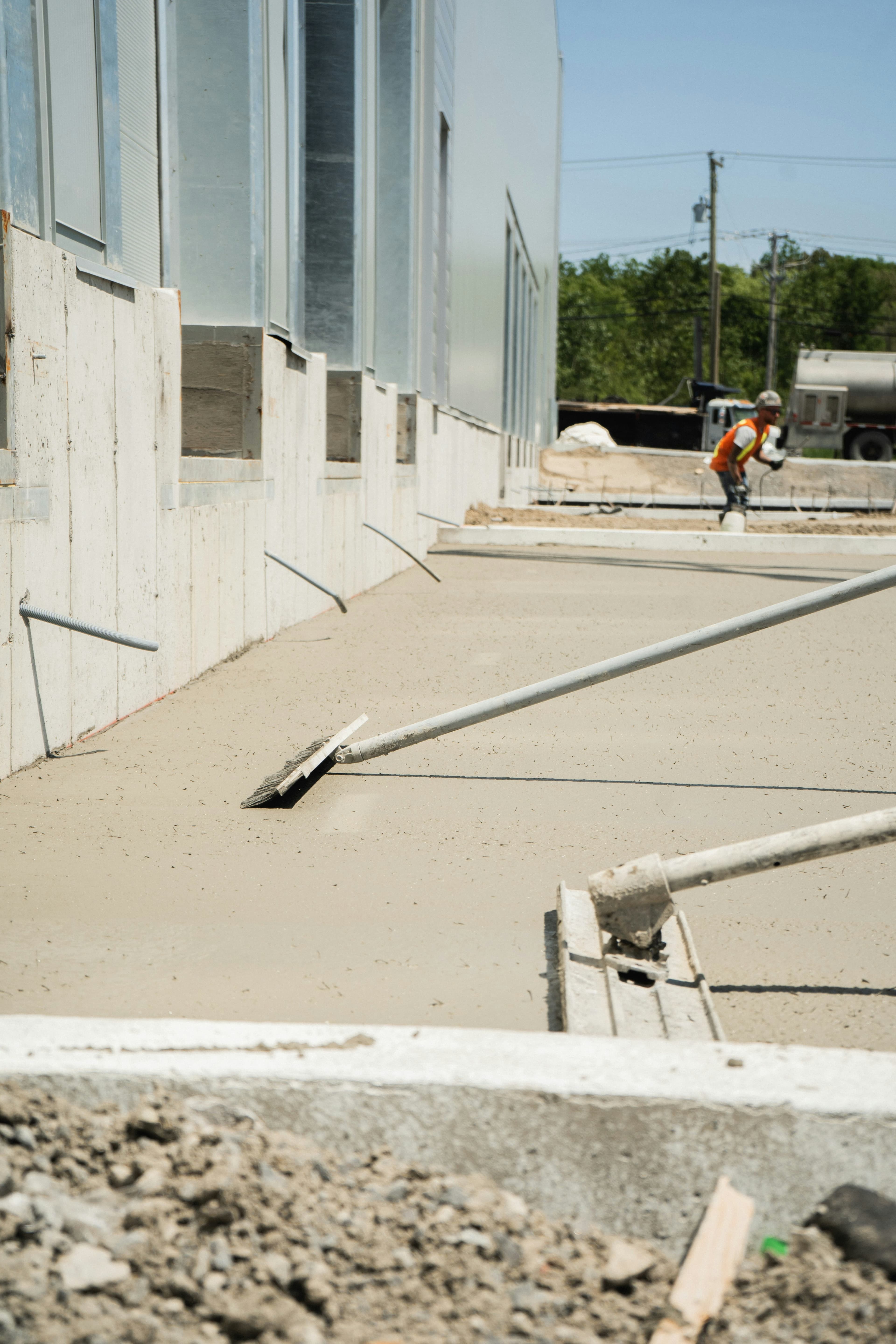
In humid climates, concrete surfaces are particularly susceptible to various forms of damage, including cracking, scaling, and mold growth. The moisture in the air can negatively affect the integrity of concrete, making proper maintenance essential. By employing best practices for concrete maintenance in humid weather, homeowners can extend the life of their concrete surfaces and maintain their aesthetic appeal. This guide will provide you with essential tips and strategies to ensure that your concrete remains strong and durable, even in the most challenging humid conditions.
Understand the Impact of Humidity on Concrete
Humidity can significantly affect concrete in various ways. When the air is saturated with moisture, it can hinder the curing process of newly poured concrete, leading to weakened structures. Additionally, existing concrete surfaces may absorb excess moisture, resulting in various issues, including:
-
Cracking: High humidity can lead to uneven curing, causing stress within the concrete and resulting in cracks.
-
Scaling: Moisture can penetrate the surface of concrete, leading to scaling or flaking as the water evaporates and leaves behind weakened areas.
-
Mold and Mildew Growth: The combination of moisture and warmth creates an ideal environment for mold and mildew, which can not only damage the concrete but also pose health risks.
Understanding these potential issues is the first step in implementing effective maintenance strategies.
Regular Inspection and Cleaning
Regular inspections and cleaning of concrete surfaces are crucial in maintaining their integrity, especially in humid conditions. Follow these steps to keep your concrete clean and in good condition:
- **Conduct Routine Inspections:
-
Regularly check for signs of damage, such as cracks, scaling, or discoloration.
-
Look for areas where water pools or does not drain properly, as stagnant water can lead to mold and mildew growth.
- **Clean Concrete Surfaces:
-
Use a pressure washer or a stiff-bristle broom to remove dirt, debris, and organic growth.
-
For mold or mildew, a mixture of water and mild detergent can be effective in cleaning the surface.
- **Address Issues Promptly:
-
If you notice any cracks or scaling, address them as soon as possible to prevent further damage.
-
Consider consulting a professional for more extensive repairs if needed.
Regular maintenance can significantly reduce the long-term effects of humidity on your concrete surfaces.
Proper Sealing Techniques
Sealing concrete is one of the most effective ways to protect it from the damaging effects of humidity. A high-quality sealant can provide a barrier against moisture while also enhancing the appearance of the concrete. Follow these sealing best practices:
-
Choose the Right Sealant:
-
Select a sealant specifically designed for humid conditions. Water-based sealers are generally suitable as they allow for moisture to escape while sealing the surface.
-
Apply Sealant Appropriately:
-
Ensure that the concrete is clean and dry before applying the sealant. If the concrete is damp, the sealant may not adhere properly.
-
Apply the sealant evenly, following the manufacturer's instructions regarding drying times and application methods.
-
Reapply as Needed:
-
Regularly check the condition of your sealant and plan to reapply it every 1-3 years, depending on the type of sealant used and the level of exposure to moisture.
For a more comprehensive understanding of sealing benefits, you can refer to our Essential Guide to Concrete Sealing in Austin, TX.
Control Water Drainage
Effective drainage is crucial in protecting your concrete surfaces from humidity-related damage. Poor drainage can lead to water pooling, which can exacerbate moisture problems. Here are some strategies to improve drainage around your concrete:
-
Install Drainage Systems:
-
Consider installing French drains or surface drains to direct water away from concrete surfaces.
-
Grade the Landscape:
-
Ensure that the landscaping slopes away from your concrete structures, reducing the likelihood of water accumulation.
-
Clear Gutters and Downspouts:
-
Regularly clean gutters and downspouts to ensure they function correctly and direct water away from concrete areas.
By improving drainage, you can significantly decrease the risk of moisture-related issues.
Temperature Considerations
Temperature variations can also play a significant role in maintaining concrete in humid weather. Here are some tips to help manage temperature-related issues:
-
Avoid Pouring in High Humidity:
-
If possible, schedule concrete pouring during times when humidity is low, typically in the early morning or late afternoon.
-
Use Cold Water Mixes:
-
When mixing concrete, use cold water to help manage the temperature during the curing process. This can help minimize the risk of thermal cracking.
-
Protect Freshly Poured Concrete:
-
Cover newly poured concrete with wet burlap or plastic sheeting to help retain moisture during curing. This is especially important in humid conditions where rapid evaporation can occur.
Managing temperature and humidity during the curing process is critical for achieving strong, durable concrete.
Mold and Mildew Prevention
Given the high humidity levels, mold and mildew can quickly become a problem if not addressed properly. Here are some strategies to prevent their growth:
-
Maintain Proper Ventilation:
-
Ensure that areas surrounding concrete surfaces are well-ventilated to promote airflow and reduce moisture build-up.
-
Use Mold-Resistant Products:
-
Consider using mold-resistant additives in concrete mixes or applying mold-resistant sealants to existing surfaces.
-
Regularly Inspect for Growth:
-
Conduct routine inspections for mold and mildew, especially in shaded or damp areas. Promptly clean any affected areas to prevent spread.
By implementing these preventive measures, you can protect both the appearance and structural integrity of your concrete surfaces.
Engage Professional Help
When it comes to maintaining concrete in humid weather, sometimes it’s best to consult with professionals. Here are some situations where expert assistance may be warranted:
-
Extensive Damage:
-
If the concrete has significant cracks, scaling, or other issues, a professional concrete contractor can assess the damage and recommend appropriate repairs.
-
Major Sealing Projects:
-
For large areas or complex sealing projects, hiring a professional ensures that the job is done correctly and efficiently.
-
Ongoing Maintenance Plans:
-
Consider establishing a maintenance plan with a concrete professional who can regularly inspect and maintain your surfaces.
At ATX Concrete Contractor, we offer a range of services to assist with your concrete maintenance needs. Visit our services services to learn more about how we can help you maintain your concrete surfaces effectively.
Conclusion
Maintaining concrete in humid weather requires diligence and proactive measures. By understanding the impact of humidity, regularly inspecting and cleaning surfaces, sealing appropriately, controlling drainage, and preventing mold growth, homeowners can protect their concrete investments. If you encounter significant issues, don’t hesitate to reach out to professionals for assistance. With the right care, your concrete surfaces can remain durable, functional, and aesthetically pleasing for many years to come.