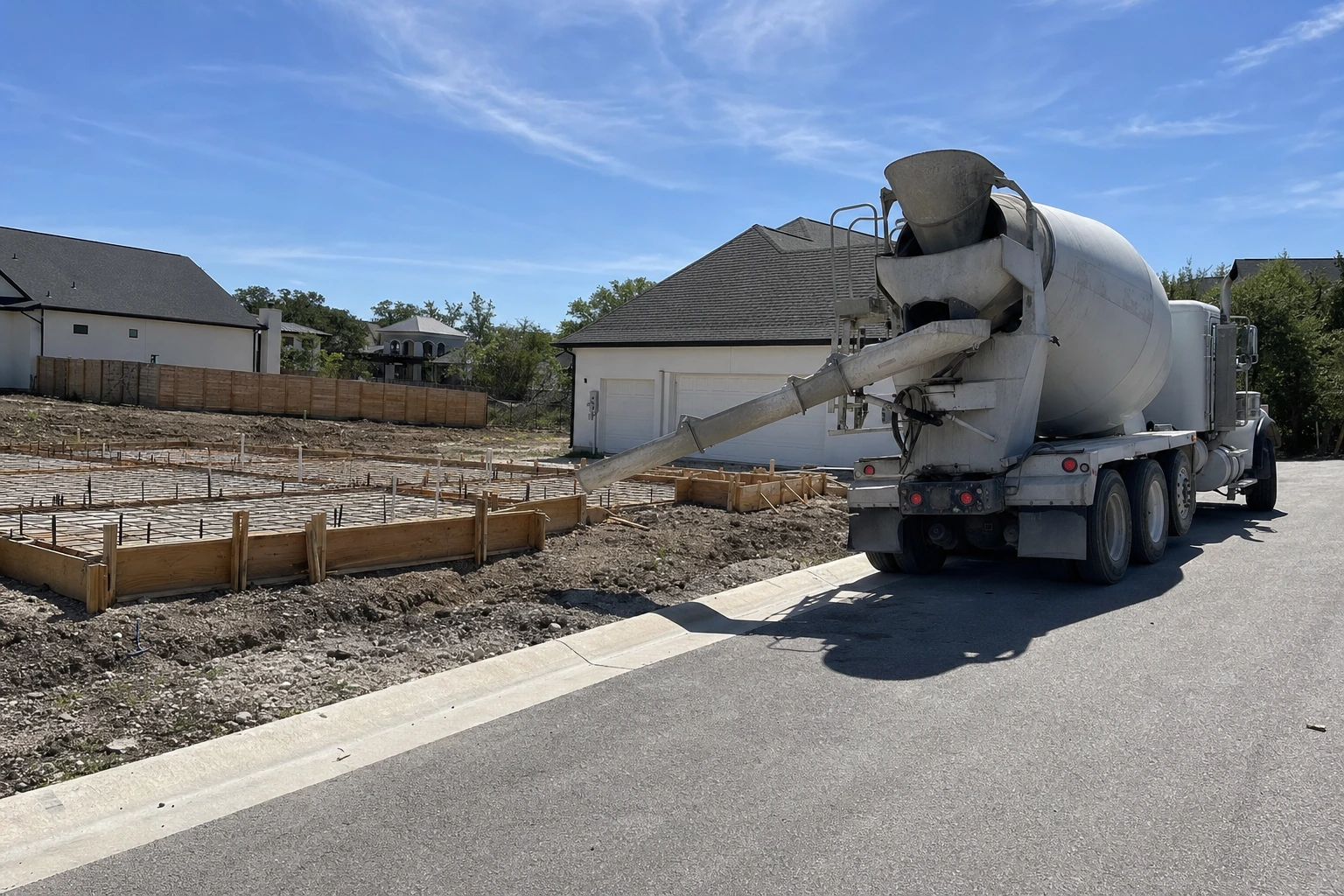
It usually starts the same way: “We watched a few videos, followed the instructions, but now there are cracks everywhere and the doors won’t close right.” Building a concrete foundation isn’t just a matter of mixing, pouring, and waiting for it to dry. It’s a high-stakes process where mistakes can mean uneven floors, water leaks, or even major structural issues that cost thousands to fix down the road. The decision to tackle a DIY concrete foundation project in Austin, TX, is tempting, especially with the rise of online tutorials and big box stores selling ready-mix kits. But is the risk worth it, or is it smarter to call in a professional crew? Let’s weigh the two options and dig into the most common mistakes we see, plus how you can avoid them, whether you go it alone or bring in an expert.
The Appeal and Risks of DIY Foundation Projects
For Austin homeowners, DIY projects are often about pride, control, and budget. Saving money, working on your own timeline, and seeing a finished product you built yourself have real appeal. But concrete foundations are unforgiving. Small errors in the early phases can lead to big, expensive problems that show up months or years later.
Austin’s unique soil conditions and climate make foundation work even more complex. Expansive clay, sudden rainstorms, and dramatic temperature swings put extra stress on concrete. A foundation that looks perfect at first can shift, crack, or settle unevenly if the prep work isn’t just right.
We’ve seen everything from foundations poured over poorly compacted soil to slabs missing essential reinforcement. The result? Cracking, water intrusion, and even failed home sales when inspections reveal structural issues. So, before you decide to go DIY, let’s look at the traps to watch for, and what a professional approach does differently.
Comparing DIY and Professional Foundation Installation
The key difference between DIY and professional foundation installation comes down to experience, equipment, and awareness of local conditions. Here’s how each approach tends to play out in Austin:
DIY often means working with rented tools, limited experience, and online research. Homeowners may not have access to commercial-grade equipment, and important steps like soil testing or code compliance can be overlooked. The initial savings can be significant, but the margin for error is slim.
Hiring professionals like us brings a different level of preparation. We conduct soil analysis, use laser-guided leveling tools, and select the right concrete mix for Austin’s climate. Our team knows how to address drainage, reinforcement, and curing for long-term stability. We also handle permits and stay up to date on local building codes, which helps homeowners avoid fines or failed inspections.
While a DIY foundation might cost less upfront, repairs and do-overs can quickly swallow any savings. Structural problems down the line can even jeopardize your home’s value and safety.
The Most Common DIY Foundation Mistakes in Austin, TX
Over the years, we’ve responded to dozens of calls from homeowners who ran into trouble with DIY foundation projects. Here are the most frequent, and costly, mistakes we see:
- Skipping Soil Preparation: Many DIYers underestimate how crucial soil compaction and grading are. Pouring concrete over loose or expansive soil leads to settling, which can crack the foundation and throw off the whole house.
- Inadequate Formwork and Leveling: Setting up forms that aren’t square, level, or properly staked can result in uneven foundations. This can mean doors and windows that stick, sloped floors, and even structural instability.
- Wrong Concrete Mix or Poor Mixing: Using a generic mix or not blending thoroughly can result in weak spots, dusting, or premature cracking. Austin’s heat can accelerate curing, so timing and water ratios matter.
- Missing Reinforcement: Forgoing rebar or mesh to save money or time is a shortcut that almost always leads to failure. Reinforcement is what gives a foundation its real strength.
- Ignoring Expansion Joints and Drainage: Texas weather means concrete expands and contracts. Without proper joints and drainage planning, cracks and water damage are almost guaranteed.
- Improper Curing: Rushing the curing process or exposing concrete to harsh sun or rain can ruin the finish, weaken the slab, or cause surface flaking. Concrete needs to be kept moist and protected during the initial cure.
How to Avoid Common Mistakes in DIY Concrete Foundation Projects in Austin
If you’re determined to pour your own foundation, we strongly recommend taking a few extra steps to protect your investment:
Start with a thorough soil test and proper compaction. Renting a plate compactor and testing soil density is a must in Austin, where the ground can shift dramatically with rainfall. Don’t just eyeball it, use a level and measure multiple points across your forms.
Choose the right concrete mix for our climate. Talk to a local supplier about mixes formulated for high heat and expansive soil. Don’t skimp on reinforcement; install rebar or mesh in a grid pattern and tie it securely.
Take your time building forms. Double-check that everything is square, braced, and at the correct height. Mistakes here are often irreversible once the concrete is poured.
Plan for drainage and expansion. Install vapor barriers, slope the slab away from the house, and include expansion joints at regular intervals. This prevents cracking and keeps water from pooling under your home.
When pouring and curing, work quickly but don’t rush. Concrete in Texas can set faster than you expect. Have extra hands ready, and shield the slab from direct sun or sudden rain with tarps if needed. Keep the surface damp during curing for at least a week to ensure maximum strength.
Lastly, always pull the proper permits and follow local codes. Austin inspectors are thorough, and skipping this step can mean tearing out your work if it fails inspection.
What Professionals Do Differently, and Why It Matters
We’re often called in to fix DIY foundation issues, and the difference is clear from the ground up. Our crew starts with a site assessment, checking soil type and drainage patterns before we even think about pouring concrete. We bring in laser levels, commercial compaction gear, and order concrete mixes tailored for local weather and soil. Our experience means we spot and address potential pitfalls before they become expensive problems.
Professional installation may cost more upfront, but it comes with a warranty, peace of mind, and a record of compliance with Austin’s building codes. More importantly, it’s an investment in the safety and long-term value of your home.
If you’d like to see what’s possible when foundation work is done right, take a look at our project portfolio. For details on how professional foundation construction safeguards your home, our Essential Guide to Concrete Foundations for Home Stability covers the basics.
Making the Right Choice for Your Austin Home
Building a concrete foundation in Austin isn’t a casual weekend project, it’s the backbone of your home. Whether you decide to go the DIY route or call in a pro, knowing the risks and requirements is essential to getting it right. If you want advice on your specific project, or you’re ready for a free, no-obligation estimate, reach out to us for guidance. The foundation you build today will shape your home’s safety, stability, and value for decades. What kind of foundation do you want your home to stand on?