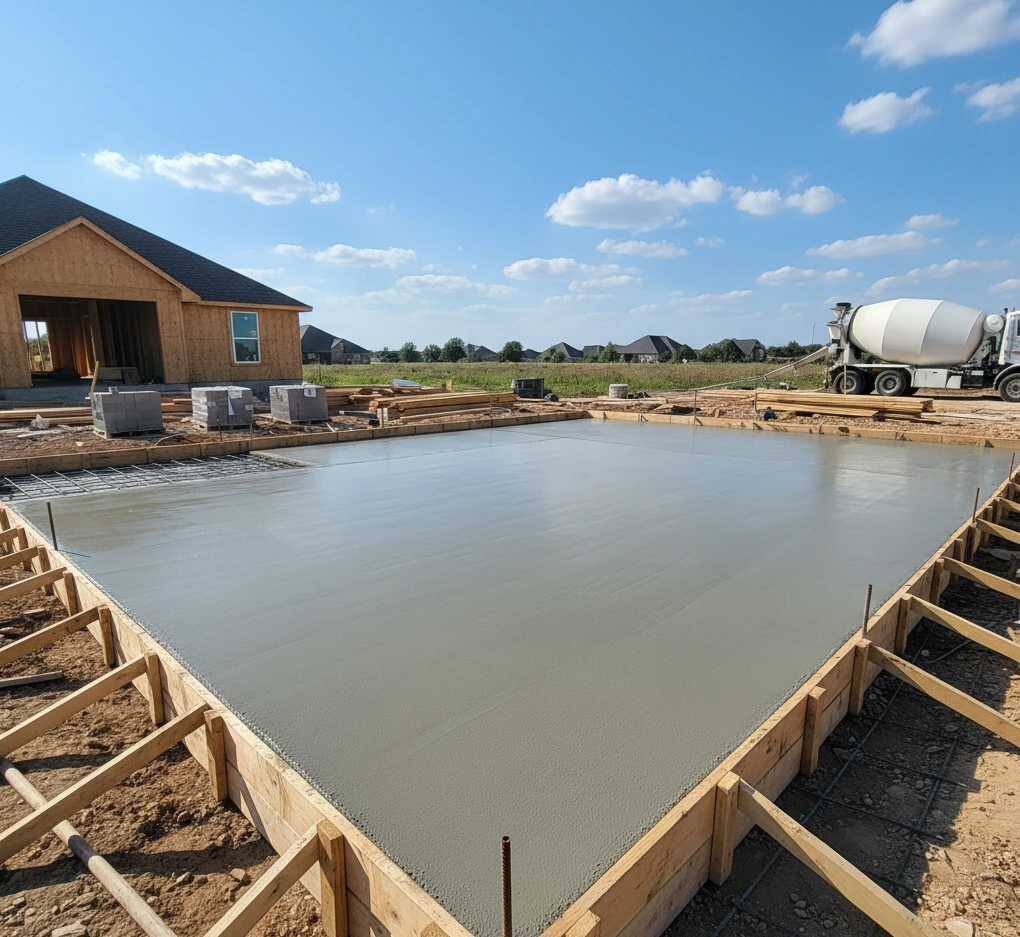
Concrete Foundations: The Key to Your Home’s Stability
When it comes to constructing a home, the foundation is arguably the most critical component. A concrete foundation not only supports the weight of the entire structure but also ensures long-term stability and safety. This post will provide a comprehensive overview of why concrete foundations are essential for your home and how they contribute to overall stability.
Understanding Concrete Foundations
Concrete foundations are typically made from a mixture of cement, water, sand, and aggregates. This combination creates a strong and durable material capable of withstanding various environmental factors, making it ideal for building foundations. There are several types of concrete foundations, including slab, crawl space, and basement foundations, each serving specific purposes based on the design and location of the home.
Importance of Concrete Foundations
-
Structural Support
The primary function of a concrete foundation is to provide structural support. By evenly distributing the weight of the house, a solid foundation prevents settling and shifting over time. This is especially important in areas with unstable soil or frequent seismic activity. If the foundation is compromised, it can lead to significant structural damage, including cracks in walls, uneven floors, and misaligned doors.
-
Moisture Resistance
Concrete is inherently resistant to moisture, which is vital for preventing water damage to your home. A properly poured and sealed concrete foundation acts as a barrier against groundwater seepage, reducing the risk of mold and mildew growth. This is particularly crucial in regions prone to heavy rainfall or flooding, where water intrusion can threaten the integrity of the home.
-
Pest Deterrent
Concrete foundations can also help deter pests from invading your home. Unlike wood, which can rot and provide nesting spaces for termites and other insects, concrete is impervious to these threats. A well-constructed foundation minimizes the chances of pest infestations, contributing to a healthier living environment.
-
Energy Efficiency
A well-insulated concrete foundation can enhance your home’s energy efficiency. By reducing drafts and maintaining stable temperatures, homeowners can save on heating and cooling costs. This is particularly relevant in areas with extreme temperature fluctuations, where energy efficiency is a priority.
Types of Concrete Foundations
Understanding the different types of concrete foundations can help homeowners choose the best option for their specific needs:
-
Slab Foundations
Slab foundations involve a single layer of concrete poured directly on the ground. This type is often used in warmer climates where the ground does not freeze. Slabs are cost-effective and require less excavation, making them a popular choice for many new homes.
-
Crawl Space Foundations
Crawl space foundations elevate the home above the ground, allowing for a space between the ground and the first floor. This design can help with moisture control and provides easy access to plumbing and electrical systems. However, proper ventilation and insulation are crucial to prevent moisture buildup and energy loss.
-
Basement Foundations
Basement foundations provide additional living space and storage. These foundations are deeper and require more excavation but offer significant benefits, including enhanced property value and additional usable square footage. Proper waterproofing is essential to ensure these spaces remain dry and comfortable.
Choosing the Right Concrete Foundation
Selecting the right foundation for your home involves considering various factors, including soil type, climate, and home design. Here are some essential tips to guide your decision:
-
**Conduct Soil Testing:** Understanding the soil composition is vital. Different soils react differently to moisture, weight, and temperature changes. Engaging a professional to conduct soil tests can help determine the best foundation type.
-
Consult with Professionals:** Working with experienced foundation engineers and contractors can provide invaluable insights into the appropriate foundation for your home. Their expertise can help you navigate local building codes and ensure that your foundation meets all necessary standards.
-
Plan for Future Needs:** Consider your future needs when selecting a foundation. If you plan to expand your home or convert a space into a living area, a basement foundation may be the most practical choice.
The Role of Professional Concrete Contractors
Hiring a skilled concrete contractor is crucial for ensuring the quality and longevity of your foundation. Professionals bring expertise in:
-
**Design and Planning:** A competent contractor can help design a foundation that meets your specifications while adhering to local building codes.
-
Proper Installation:** The installation process is critical to the performance of a concrete foundation. Professionals understand the importance of proper mixing, pouring, and curing techniques to ensure maximum strength.
-
Maintenance and Repair:** Regular maintenance can prevent minor issues from escalating into significant problems. Engaging a professional for periodic inspections and repairs can safeguard your investment.
Conclusion
Concrete foundations are the backbone of your home, providing essential support, moisture resistance, pest deterrence, and energy efficiency. Understanding the significance of a strong foundation can help you make informed decisions during the construction or renovation of your home.
If you're considering installing a concrete foundation or need assistance with foundation repairs, learn more about our Concrete Foundations & Slabs services or explore our Concrete Foundation Construction options. Ensuring your home stands on a solid foundation is not just a choice; it’s a necessity for your peace of mind and the longevity of your property.