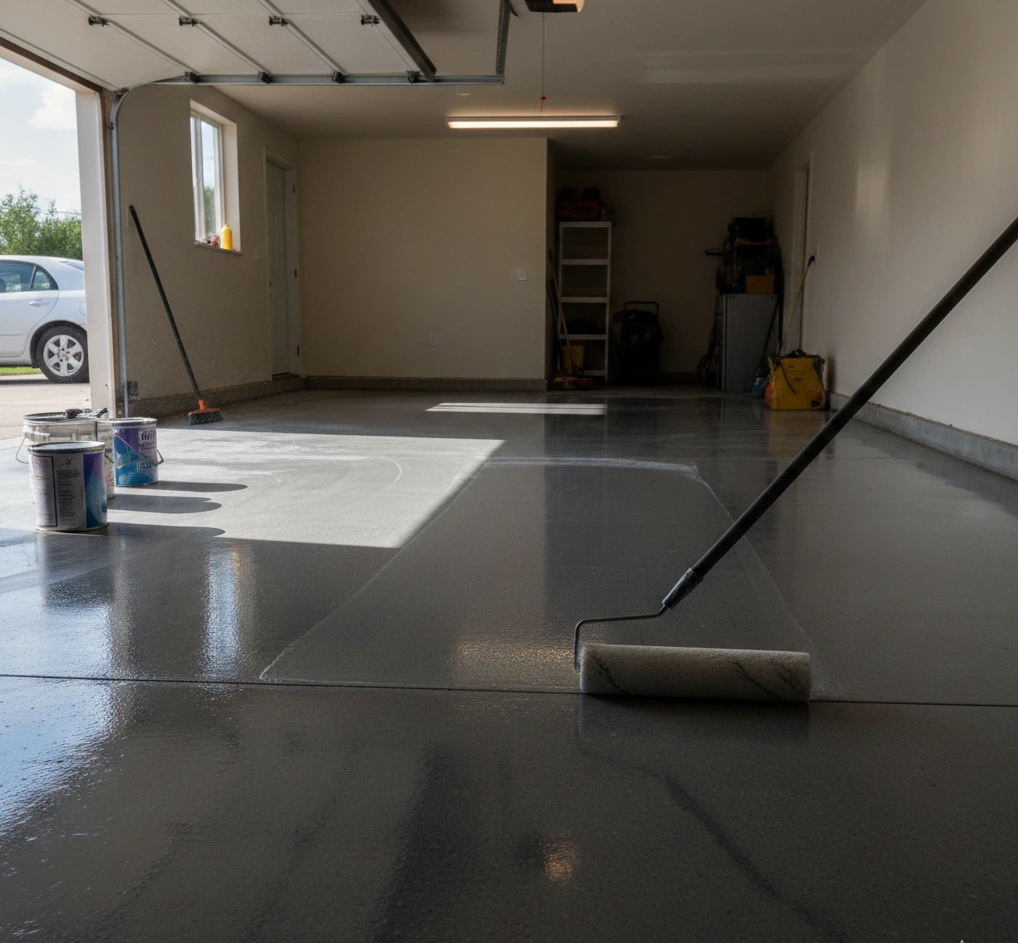
Concrete Sealing: Protecting Your Investment in Austin, TX
Concrete is a cornerstone of modern construction, providing strength and durability to various structures. However, even the most robust concrete surfaces can suffer from wear and tear over time, particularly in regions like Austin, TX, where fluctuating temperatures and moisture levels can exacerbate deterioration. One of the most effective ways to protect your concrete investment is through professional concrete sealing. This guide will explore the importance of concrete sealing, its benefits, and why it’s essential for preserving your property’s integrity.
Understanding Concrete Sealing
Concrete sealing involves applying a protective coating to concrete surfaces, creating a barrier against moisture, chemicals, and environmental elements. This process not only enhances the appearance of the concrete but also prolongs its lifespan, making it a crucial maintenance step for homeowners and businesses alike.
Why Sealing Your Concrete is Essential
- **Protection Against Moisture Damage
- Austin’s climate can be unpredictable, with heavy rains followed by intense heat. Moisture can seep into unsealed concrete, leading to cracks, spalling, and even structural damage. Sealing concrete helps prevent water infiltration, thereby reducing the risk of damage.
- **Defense Against Chemical Stains
- Concrete surfaces are often exposed to various chemicals, such as oil, grease, and de-icing salts. These substances can cause staining and deterioration. A quality sealant acts as a protective barrier, keeping these harmful chemicals from penetrating the surface.
- **Enhanced Durability
- Sealed concrete surfaces are more resistant to wear and tear. This additional layer of protection helps the concrete withstand heavy foot traffic, vehicular loads, and the general stresses of daily use.
- **Aesthetic Improvement
- Sealing enhances the color and texture of concrete, making it look fresh and vibrant. Whether you have a decorative patio, driveway, or sidewalk, a sealant can bring out the beauty of the concrete while providing protection.
- **Cost-Effective Maintenance
- Regularly sealing your concrete surfaces can save you money in the long run. Preventative maintenance reduces the likelihood of costly repairs and replacements, extending the life of your concrete investment.
The Concrete Sealing Process
Understanding the sealing process helps homeowners appreciate the value it brings. Here’s a step-by-step breakdown:
- **Surface Preparation
- Proper preparation is critical for effective sealing. This includes cleaning the surface thoroughly to remove dirt, stains, and debris. In some cases, acid washing may be required to ensure the surface is ready for sealing. Learn more about whether you need acid washing before sealing here.
- **Choosing the Right Sealant
- There are various sealants available, including penetrating sealers, topical sealers, and epoxy coatings. The choice depends on the specific needs of the concrete and the expected exposure to elements.
- **Application
- The application process can vary based on the type of sealant used. Generally, it involves applying the sealant evenly using a roller or sprayer. Professionals ensure that the application is done correctly to avoid pooling or uneven coverage.
- **Curing Time
- After application, the sealant needs adequate time to cure. This period is crucial for the sealant to bond properly with the concrete, ensuring maximum effectiveness.
- **Regular Maintenance
- Even sealed surfaces require regular maintenance. Homeowners should periodically inspect their concrete and reapply sealant as needed, typically every few years, depending on the sealant type and environmental conditions.
When to Seal Your Concrete
Knowing when to seal your concrete is vital for maintaining its integrity. Some key times to consider sealing include:
-
**After Installation:** Newly poured concrete should be sealed as soon as it is fully cured to protect it from the outset.
-
Before Winter:** Sealing before the winter months helps protect against freeze-thaw cycles that can cause cracking.
-
When You Notice Wear:** If your concrete shows signs of wear, such as discoloration or water pooling, it may be time to apply a new layer of sealant.
Common Misconceptions About Concrete Sealing
- **"Sealing Makes Concrete Slippery"
- While some sealers can create a slippery surface, many products are specifically designed to provide traction. Choosing the right sealant can mitigate this concern.
- **"Sealed Concrete is Waterproof"
- It's important to note that while sealing significantly reduces water penetration, it does not make concrete entirely waterproof. Proper drainage and maintenance are still necessary.
- **"Sealing is Only Necessary for Decorative Concrete"
- All concrete surfaces, regardless of their function, benefit from sealing. Whether residential driveways, commercial walkways, or industrial floors, sealing protects against damage.
Conclusion
Investing in concrete sealing is a proactive measure that pays off in the long run. By protecting your concrete from moisture, chemicals, and wear, you not only extend its lifespan but also enhance the aesthetic appeal of your property. For residents in Austin, TX, where environmental factors can take a toll on concrete surfaces, professional sealing is not just an option; it’s a necessity.
For more information on our concrete sealing services or to get a free quote, visit our Professional Concrete Services in Austin, TX page. Protect your investment today and enjoy the benefits of well-maintained concrete for years to come!