Concrete Slabs: Essential Elements for Your Construction Project
When embarking on a construction project, understanding the foundational elements is crucial for success. Among these, concrete slabs stand out as a fundamental component that significantly influences the durability, strength, and overall integrity of structures. This guide will delve into the essential benefits and considerations surrounding concrete slabs, ensuring you are well-informed for your upcoming projects.
What Are Concrete Slabs?
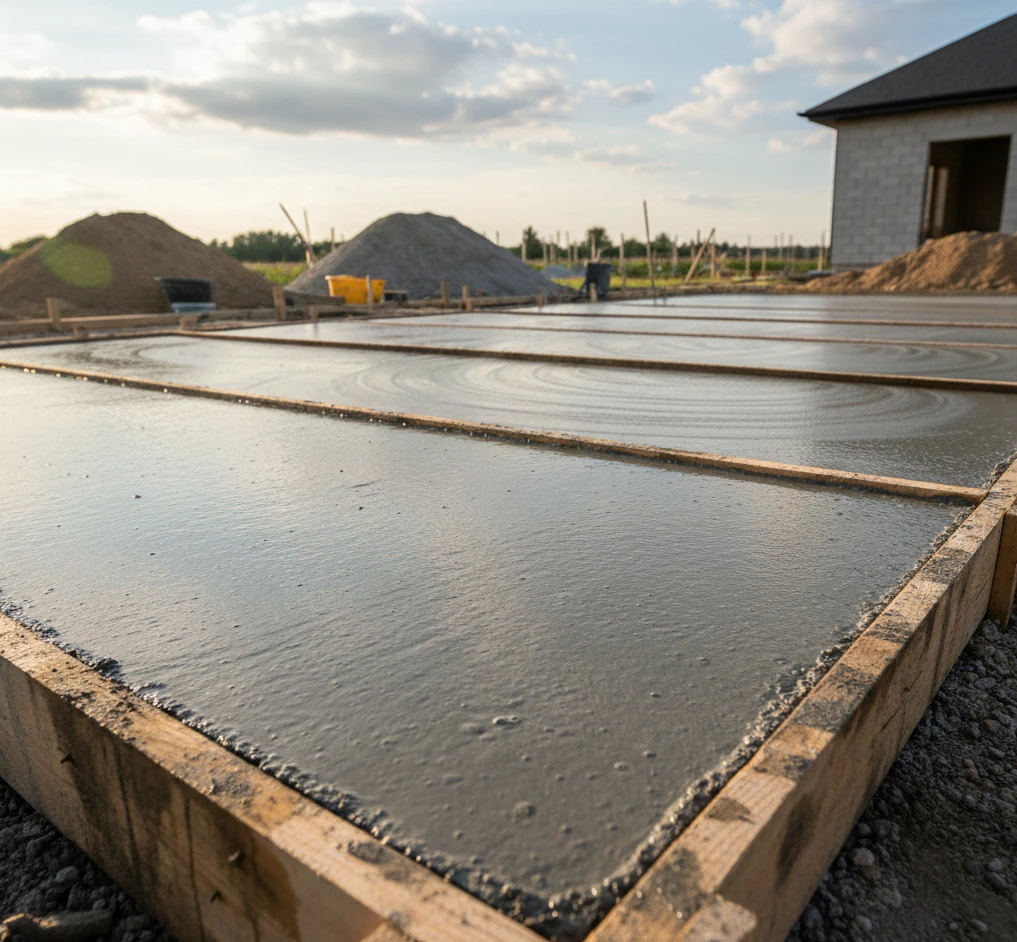
Concrete slabs are flat, horizontal surfaces made from a mixture of cement, sand, gravel, and water. They serve various purposes in construction, including floors, ceilings, and roofs. Depending on the specific needs of a project, slabs can be poured directly on the ground or elevated to create a level surface above soil or other subgrades.
Types of Concrete Slabs
Understanding the different types of concrete slabs is vital for selecting the right option for your construction needs:
-
Conventional Slabs: These are commonly used for residential and commercial buildings. They are typically poured on-site and provide a strong, durable surface.
-
Precast Slabs: Manufactured off-site and transported to the construction site, precast slabs are ideal for projects requiring swift installation. They offer uniformity and can be customized for specific project requirements.
-
**Post
- Tensioned Slabs: This type involves high-strength steel cables that are tensioned after the concrete has cured. Post-tensioning allows for thinner slabs and spans longer distances without support.
- Suspended Slabs: Typically used for elevated structures, suspended slabs are supported by beams or walls and are essential for creating multi-story buildings.
Benefits of Using Concrete Slabs
Concrete slabs offer numerous advantages that enhance their appeal in construction projects:
1. Durability and Strength
Concrete is known for its strength, making it an ideal material for construction. Slabs can withstand significant loads and resist various environmental factors, ensuring long-lasting performance. This durability is crucial in areas prone to weather extremes, such as those found in Austin, TX.
2. Cost-Effectiveness
Concrete slabs are often more cost-effective than other flooring options. Their longevity means reduced maintenance and replacement costs over time. Furthermore, concrete's availability and the relatively low labor required for installation contribute to its overall affordability.
3. Versatility
Concrete slabs can be used in various applications, from residential foundations and driveways to commercial flooring and industrial structures. Their versatility allows for creative design solutions, including decorative finishes and various textures.
4. Energy Efficiency
Concrete has excellent thermal mass properties, meaning it can absorb and retain heat. This quality can contribute to energy efficiency in buildings, helping to maintain consistent indoor temperatures and reduce heating and cooling costs.
5. Fire Resistance
Concrete is inherently fire-resistant, providing an additional layer of safety for structures. In the event of a fire, concrete slabs can help slow the spread of flames, protecting occupants and property.
Importance of Proper Installation
While concrete slabs provide numerous benefits, the importance of proper installation cannot be overstated. Engaging a professional concrete contractor ensures that the slab is poured correctly, addressing factors such as:
-
**Site Preparation**: Proper grading and compaction of the subgrade are essential for preventing settling and cracking.
-
Mix Design: Using the right concrete mix can affect the strength and durability of the slab.
-
Thickness and Reinforcement**: Understanding how thick a concrete slab should be based on its intended use, as well as incorporating appropriate reinforcement, is critical for performance.
For more insights on concrete foundations and slabs, check out our page on Concrete Foundations & Slabs.
Common Issues with Concrete Slabs
Despite their many advantages, concrete slabs can experience issues if not installed or maintained properly:
1. Cracking
Cracking is one of the most common issues faced by concrete slabs. Factors such as improper curing, temperature fluctuations, and excessive loads can contribute to cracking. Regular maintenance, including sealing and timely repairs, can mitigate these problems.
For more information on addressing cracks in concrete, refer to our guide on Repair or Replace Cracked Concrete Austin 2026 Cost Guide.
2. Moisture Issues
Moisture can seep through concrete slabs, leading to mold growth and deterioration of flooring materials. Installing vapor barriers and ensuring proper drainage can help prevent these issues.
3. Settlement
Settlement occurs when the ground beneath the slab shifts or compacts. This can lead to uneven surfaces and structural issues. To prevent settlement, it's essential to choose a qualified contractor who understands the local soil conditions and can implement proper foundation solutions.
Maintenance Tips for Concrete Slabs
Maintaining concrete slabs is crucial for ensuring their longevity and performance. Here are some essential maintenance tips:
-
**Regular Cleaning**: Keep the surface clean by sweeping and washing away debris. This helps prevent stains and deterioration.
-
Sealing: Apply a concrete sealer to protect against moisture and stains. Learn more about sealing in our blog post on Does Concrete Sealer Make It Waterproof?.
-
Inspection**: Regularly inspect your slabs for signs of cracking or settling. Early detection can save time and money on repairs.
Conclusion
Concrete slabs are an essential element in construction, providing durability, versatility, and cost-effectiveness. Understanding their benefits, types, and maintenance requirements will prepare you for a successful construction project. Whether you’re building a new home or a commercial facility, investing in high-quality concrete slabs will lay a strong foundation for your success.
If you're considering a construction project in Austin or the surrounding areas, reach out to ATX Concrete for expert advice and professional services that ensure your concrete slab needs are expertly handled.