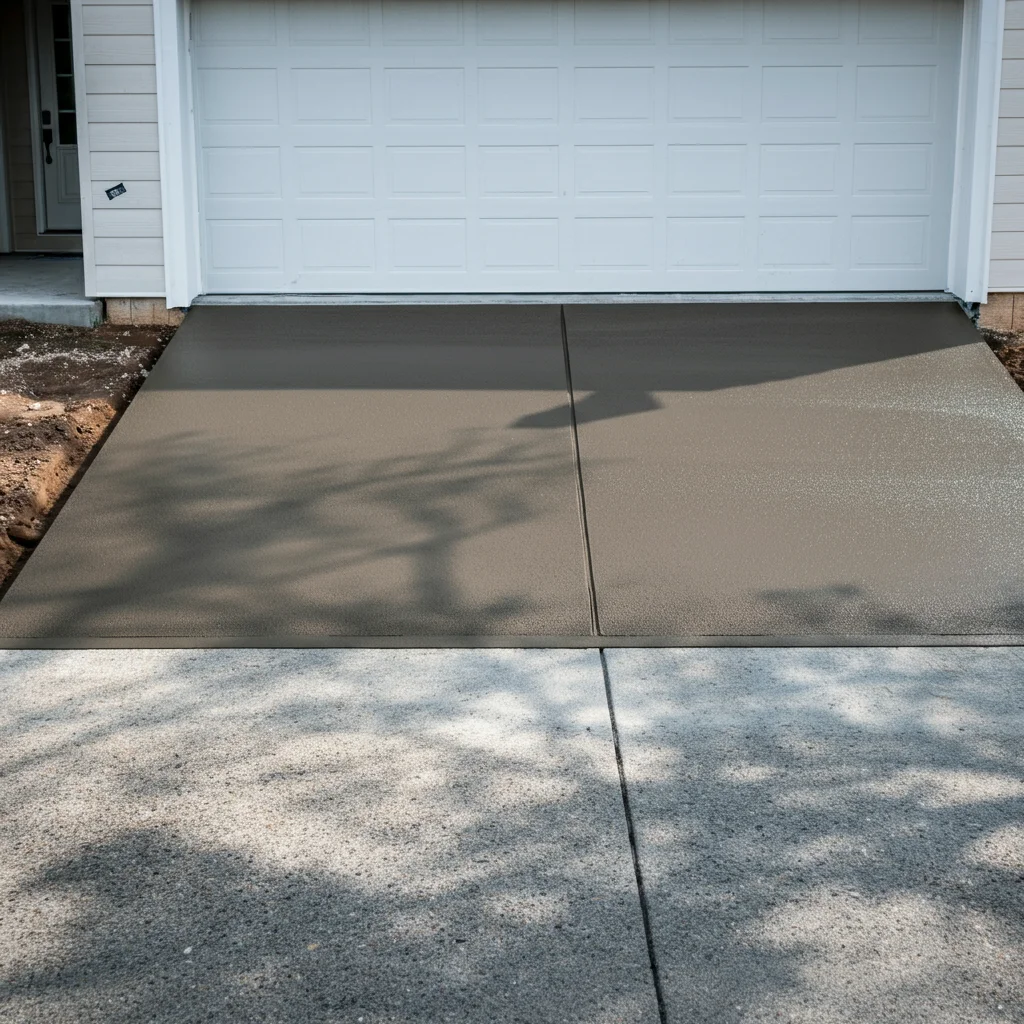
A well-maintained concrete driveway in Texas not only boosts curb appeal but also ensures long-lasting performance despite the region’s challenging climate. Texas homeowners face unique maintenance demands, from blistering summer heat and torrential rains to shifting soils that can cause cracking and uneven settling. By following a proactive care routine tailored to the local environment, you can extend the lifespan of your driveway, avoid costly repairs, and keep your property looking its best.
How Texas Climate Impacts Concrete Driveways
Concrete driveways in Texas endure extreme temperature swings, intense sunlight, and soil movement caused by frequent wet-dry cycles. The combination of harsh UV rays and seasonal rains can weaken the surface, while the state’s expansive clay soils can lead to shifting and cracking if not properly addressed.
- Heat: Prolonged exposure to high temperatures causes concrete to expand, increasing the risk of surface cracks and color fading.
- Rain: Sudden downpours can erode soil beneath the driveway and promote water infiltration, which may weaken the concrete’s base.
- Soil Movement: Central Texas, in particular, is known for expansive clay soils that swell when wet and shrink when dry, putting additional stress on concrete slabs.
Understanding these factors is the first step in developing an effective maintenance strategy for your concrete driveway.
Routine Cleaning: The Foundation of Driveway Longevity
Regular cleaning is essential to prevent buildup of debris, mold, and stains that can degrade concrete over time. Texas driveways are often exposed to leaves, dust, pollen, and automotive fluids, all of which can mar the surface and accelerate wear.
- Sweep weekly: Remove debris such as leaves, dirt, and twigs to prevent staining and surface abrasion.
- Pressure wash seasonally: Use a pressure washer at least twice a year to remove grime, algae, and mildew, especially after the rainy season. Be careful with pressure settings to avoid etching the concrete.
- Spot clean spills: Address oil, gasoline, or rust stains promptly using a concrete-safe degreaser or a mixture of baking soda and water.
Keeping your driveway clean not only preserves its appearance but also makes it easier to spot potential issues before they worsen.
Managing Texas Soil Movement and Preventing Cracks
One of the biggest challenges for Texas homeowners is soil movement beneath the driveway. Expansive soils can cause the concrete to heave or settle unevenly, resulting in cracks or lifted sections.
- Ensure proper drainage: Make sure your driveway slopes away from the house and that gutters and downspouts direct water away from the slab’s edges.
- Fill nearby soil gaps: After heavy rain, inspect the sides of your driveway for areas where soil may have washed away and promptly refill these gaps to maintain support along the slab.
- Avoid heavy loads: Refrain from parking heavy vehicles or equipment on the driveway, especially during wet conditions when the soil is more prone to shifting.
- Address minor cracks early: Small cracks can quickly expand with ongoing soil movement. Use a high-quality concrete crack filler to seal any minor damage as soon as it appears.
For a deeper dive into why concrete cracks in Texas and how to address early warning signs, visit our guide on why concrete cracks in Austin TX.
Protecting Your Driveway with Regular Sealing
Sealing is one of the most effective ways to defend your concrete driveway against Texas weather. A quality sealer acts as a barrier, preventing moisture penetration, oil stains, and surface erosion caused by UV exposure.
- Choose the right sealer: In Texas, a penetrating sealer is often recommended, as it offers protection against both water infiltration and oil staining while allowing the concrete to breathe.
- Reapply every 2-3 years: Depending on traffic and weather conditions, reseal your driveway every two to three years. High-traffic areas or those exposed to intense sunlight may need sealing more frequently.
- Prepare the surface: Before applying sealer, ensure the driveway is thoroughly cleaned and any stains have been removed. For stubborn residue, learn whether you should acid wash concrete before sealing.
For step-by-step instructions and tips on selecting the best product for Texas conditions, see our essential guide to concrete sealing in Austin, TX.
Preventive Measures for Long-Term Performance
Concrete driveway maintenance in Texas is all about prevention. Taking a few extra steps can help you minimize major issues down the line.
- Control water runoff: Redirect irrigation and sprinkler systems away from the driveway to prevent water from undermining the slab.
- Install expansion joints: If cracks appear along expansion joints, keep them clean and filled with a flexible, weather-resistant filler to prevent water intrusion.
- Shade and landscaping: Planting shade trees strategically can reduce surface temperatures and slow down color fading, but keep roots at least 10 feet away to avoid slab displacement.
- De-icing caution: In winter, avoid salt-based de-icers, which can damage concrete surfaces. Opt for sand or cat litter to improve traction without harming the driveway.
Proactive care helps you avoid the most common causes of premature deterioration and maximizes the value of your investment.
Addressing Stains and Surface Damage
Texas driveways are susceptible to a variety of stains and surface blemishes, from oil drips to rust or tire marks. Prompt action and the right cleaning methods can restore the appearance of your driveway without harsh chemicals.
- Oil and grease: Use a degreaser or a mix of dish soap and warm water, scrubbing with a stiff brush. For stubborn stains, a poultice made from baking soda and water can lift oil from deep within the concrete.
- Rust: Lemon juice or vinegar applied directly to the stain can help dissolve rust. Rinse thoroughly to avoid surface etching.
- Tire marks: Scrub with a mild detergent and warm water, repeating as necessary.
If your driveway’s surface is heavily stained or pitted, consider professional concrete resurfacing to restore both function and appearance.
Repairing and Restoring Your Driveway
No matter how diligent your maintenance routine, some cracks and wear are inevitable over time. Addressing repairs early can prevent small problems from becoming major liabilities.
- Crack repair: Use a flexible, weather-resistant caulk or patching compound to fill cracks as soon as they develop.
- Sectional repair: For deeper cracks or uneven slabs, professional repair or slab replacement may be necessary. Explore your options and estimated costs in our Austin 2026 cost guide for repairing or replacing cracked concrete.
- Resurfacing: If the surface is worn but structurally sound, resurfacing can provide a fresh, durable top layer at a fraction of the cost of complete replacement.
Professional assessment is recommended if you notice widespread cracking, significant settling, or drainage issues. An experienced contractor can recommend the most effective solution for your specific situation.
Seasonal Tips for Texas Homeowners
Texas weather can shift quickly, making it important to adjust your maintenance routine with the seasons.
- Spring: Inspect for winter damage, clean thoroughly, and address any cracks or drainage issues before summer heat arrives.
- Summer: Monitor for new cracks or surface fading. Consider applying a UV-resistant sealer in early summer to protect against sun damage.
- Fall: Clear leaves and organic debris promptly to avoid staining and prepare for increased rainfall.
- Winter: Minimize use of salts for de-icing and watch for water pooling that could freeze and expand cracks.
By aligning your maintenance schedule with Texas’s seasonal cycles, you can proactively reduce the risk of damage and keep your driveway looking its best year-round.
When to Call a Professional
While many maintenance tasks can be handled by homeowners, some issues require expert attention. Contact a local concrete specialist if you notice:
- Large or deep cracks (more than 1/4 inch wide)
- Significant settling or uneven sections
- Consistent moisture problems around the slab
- Widespread surface spalling or crumbling
A professional assessment ensures safe, effective repairs and helps protect your property value. To learn more about residential concrete services and see examples of quality work, visit our top residential concrete services to transform your home’s exterior.
Next Steps for Texas Homeowners
By following these essential maintenance tips for concrete driveways in Texas, you can prevent most common problems, avoid costly repairs, and ensure your driveway remains strong and attractive for decades. Regular cleaning, timely sealing, proactive crack repair, and attention to drainage are the foundations of successful driveway care in the Texas climate.
If you need help with sealing, repairs, or want a professional evaluation of your driveway’s condition, reach out to a trusted concrete contractor familiar with Central Texas soils and weather. Investing a little time now will pay off with a driveway that stands up to the unique challenges of Texas for years to come.