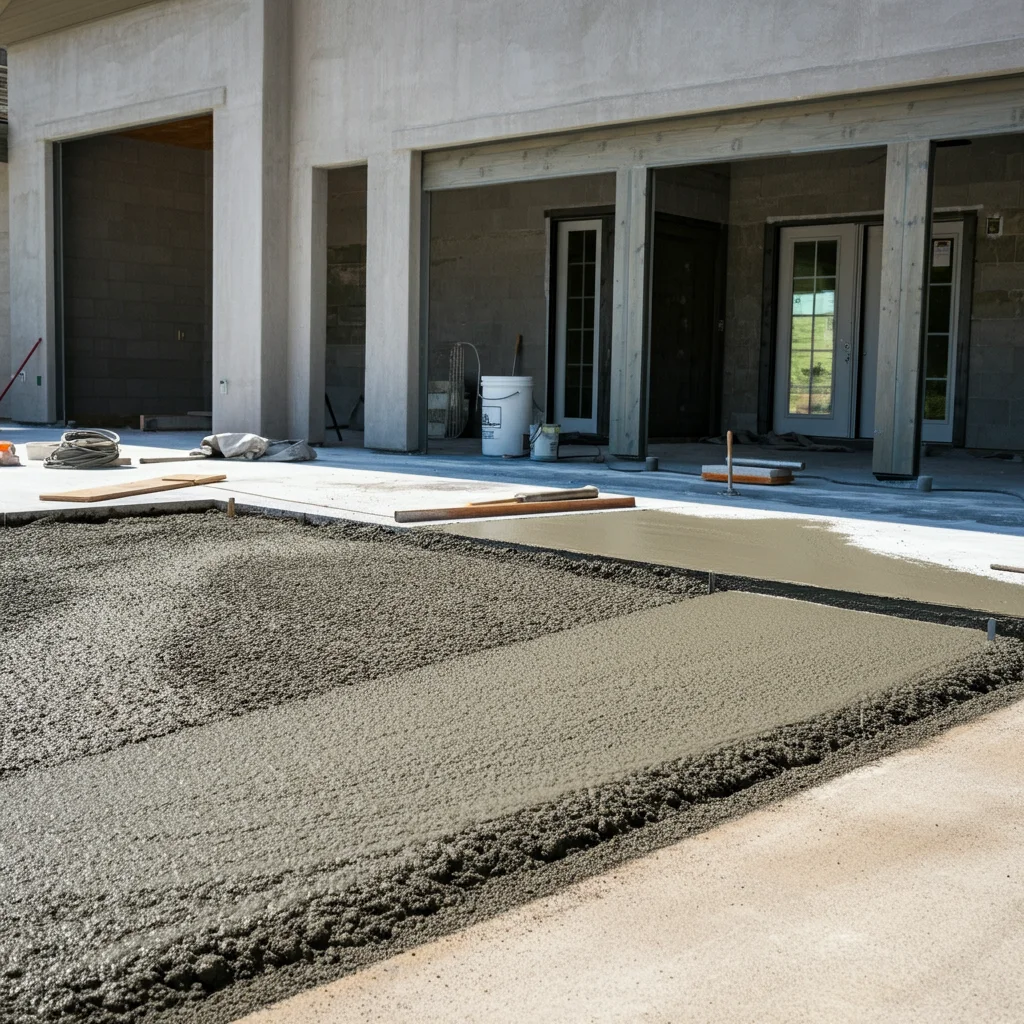
Preparing your yard for a concrete project is one of the most important steps for ensuring a long-lasting, beautiful, and functional result. Whether you’re planning a new driveway, patio, walkway, or slab, proper preparation helps prevent future cracks, drainage issues, and costly repairs. Homeowners who take the time to get their yard ready before concrete installation not only save money in the long run but also enjoy a smoother, faster construction process. This guide covers the essential steps to prepare your yard for a concrete project, from initial planning and site clearing to grading, permitting, and working with a professional team.
Setting Clear Goals and Understanding Your Project
Successful concrete installation starts with a clear understanding of your project’s purpose, scope, and requirements. Before breaking ground, think about how you want to use the space, the loads it will need to support, and the desired appearance.
Will your new slab handle daily vehicle traffic, host outdoor gatherings, or simply provide a safe walking path? Are you interested in decorative finishes, exposed aggregate, or a traditional broom finish? Defining these goals will help determine the project’s size, design, and the type of concrete needed.
Discuss your vision with your contractor during the initial consultation. Experienced professionals can offer advice on material selection, layout, and features tailored to your yard and usage needs. For ideas on concrete finishes and designs, explore our Essential Guide to Decorative Concrete for Austin Homes.
Site Assessment and Planning
A thorough site assessment is critical for identifying potential challenges and opportunities before any heavy equipment arrives. Begin by walking through the project area and noting:
- Existing structures, trees, and landscaping features
- Slopes and drainage patterns
- Underground utilities (water, gas, electric)
- Soil type and stability
Check for low spots where water collects after rain, as these areas may require additional grading or drainage solutions. If you’re unsure about your soil composition, consult with a local expert or your contractor. Certain soils, such as expansive clay common in Central Texas, can affect how concrete should be prepared and reinforced. For more about local soil and site-specific approaches, visit our Concrete Services in Round Rock, Pflugerville & Hutto.
Clearing and Marking the Work Area
Once your project plan is finalized, the next step is to clear the designated area of all obstacles. This includes removing grass, plants, rocks, old concrete, mulch, and any debris.
- Remove all vegetation: Grass and roots left beneath your slab can decay, causing voids and settling.
- Take out large rocks or roots: These can interfere with proper grading and lead to uneven surfaces.
- Clear the area wider than the slab: Allow at least 6-12 inches of clearance around the perimeter for formwork and easier access during installation.
After clearing, use stakes and string to mark the exact boundaries of your project. Double-check measurements to ensure your new concrete aligns with existing features like fences, utilities, or property lines. Marking the area also helps your contractor visualize the finished space and plan for formwork placement.
Addressing Drainage and Grading
Proper drainage is essential for any concrete project. Water that pools next to slabs can cause erosion, freeze-thaw damage, and premature cracking. To prevent these issues, your yard must be graded so that water flows away from buildings and toward safe drainage points.
- Grade the sub-base: The ground beneath your concrete should slope away from your home or structures at a minimum of 1/8 inch per foot.
- Install drainage solutions if needed: French drains, gravel trenches, or catch basins may be necessary for areas prone to standing water.
- Compact the soil: Use a plate compactor to create a solid, stable sub-base free of soft spots and air pockets.
Professional contractors can identify drainage risks and recommend the best grading and sub-base preparation for your specific yard. Neglecting this step often leads to costly repairs, so it’s worth investing the time and resources to get it right.
Dealing with Utilities and Permits
Before any excavation or digging, it’s critical to locate and mark all underground utilities. In Texas, you can call 811 to request utility marking. Accidentally damaging water, gas, or electric lines is not only dangerous but can delay your project and add unexpected expenses.
In addition, most municipalities require permits for concrete installations, especially for driveways, sidewalks, and patios that connect to public right-of-way. Check with your local building department or your contractor to ensure all necessary permits are in place before work begins.
- Request utility marking at least a week in advance.
- Obtain all required permits, inspections, and approvals.
- Keep documentation on hand for your contractor and inspectors. Overlooking permits or utility checks can result in fines, delays, or even having to remove completed work.
Preparing the Sub-Base and Forms
The strength and longevity of your concrete depend heavily on how well the sub-base and forms are prepared. Here’s what’s involved:
- Excavation: Dig down to the required depth, typically 4-6 inches for patios and sidewalks, 6-8 inches or more for driveways.
- Base material: Spread a layer of compacted gravel or crushed stone to improve drainage and stability. This base should be level and compacted thoroughly.
- Formwork: Install sturdy wooden or metal forms to hold the concrete in place. Forms must be straight, level, and properly staked to support the weight of wet concrete.
- Reinforcement: Depending on the project, your contractor may add rebar, wire mesh, or fiber reinforcement to prevent cracking and increase load-bearing capacity.
This stage is where professional expertise makes a noticeable difference. A well-prepared sub-base minimizes settling and cracking, while precise formwork ensures crisp edges and a true-to-design finish. For more on the importance of sub-base and forms, check out our Essential Guide to Concrete Slabs for Construction Projects.
Managing Access and Site Logistics
Concrete projects require space for materials, equipment, and workers to move freely. Before the pour, consider how trucks, mixers, and tools will access your yard.
- Create clear paths from the street to the project area.
- Move vehicles, outdoor furniture, and breakable items out of the way.
- Protect adjacent landscaping with plywood, tarps, or fencing. If your yard is particularly narrow or enclosed, discuss alternative delivery options with your contractor. Sometimes, smaller wheelbarrow batches or concrete pumps can be used to minimize disruption.
Weather Considerations in Central Texas
In Central Texas, weather plays a significant role in concrete project timing and preparation. High temperatures, sudden rain, and humidity can all impact the curing process and final quality.
- Schedule pours during cooler parts of the day or season, if possible.
- Be prepared to cover freshly poured concrete with plastic or curing blankets to protect against rain or excessive heat.
- Delay work if heavy rain is forecast, as wet sub-bases can weaken the concrete. Your contractor will monitor weather forecasts and provide guidance on the best timing to pour and cure your slab for optimal results. For more insights, visit our Concrete Work in Winter: What Austin Homeowners Need to Know.
Why Professional Guidance Matters
While some homeowners attempt to prepare their yards for concrete projects themselves, working with a professional contractor offers several advantages:
- Accurate site assessment and planning: Experts identify risks and solutions you may miss.
- Proper equipment and materials: Contractors have access to the right tools for excavation, compaction, and formwork.
- Compliance with codes and standards: Professionals handle permits, inspections, and ensure work meets local requirements.
- Higher quality, longer-lasting results: Experience leads to fewer mistakes, better finishes, and greater durability.
Investing in professional guidance can save you time, prevent expensive errors, and provide peace of mind that your concrete project will stand the test of time.
Steps to Prepare Your Yard for Concrete Installation
To summarize the process, here’s a checklist of essential steps homeowners should follow:
- Define your project goals and desired features. 2. Assess the site for obstacles, drainage, and soil conditions. 3. Clear the area of grass, plants, debris, and old materials. 4. Mark the boundaries with stakes and string. 5. Grade the sub-base and address any drainage issues. 6. Locate and mark all underground utilities. 7. Obtain necessary permits and approvals. 8. Excavate to the proper depth based on project type. 9. Install compacted base material for stability and drainage. 10. Set up straight, level forms to shape the concrete. 11. Add reinforcement as needed for strength. 12. Plan for equipment and material access to the work area. 13. Coordinate with your contractor for optimal timing based on weather. Following this checklist helps ensure a smooth installation process and a finished concrete surface that looks great and lasts for decades.
Ready to Start Your Concrete Project?
Preparing your yard for a concrete project is the foundation for a beautiful, durable result. From initial planning and site clearing to grading and permitting, each step plays a vital role in the success of your project. Partnering with a professional team gives you the confidence that every detail is handled with care and expertise.
If you’re ready to take the next step, explore our Top Residential Concrete Services to Transform Your Home’s Exterior or learn more about our full range of professional concrete services available throughout Austin and Central Texas. For a free consultation and detailed estimate tailored to your property, reach out to our experienced team today. With the right preparation, your new concrete project will deliver lasting value and enjoyment for years to come.