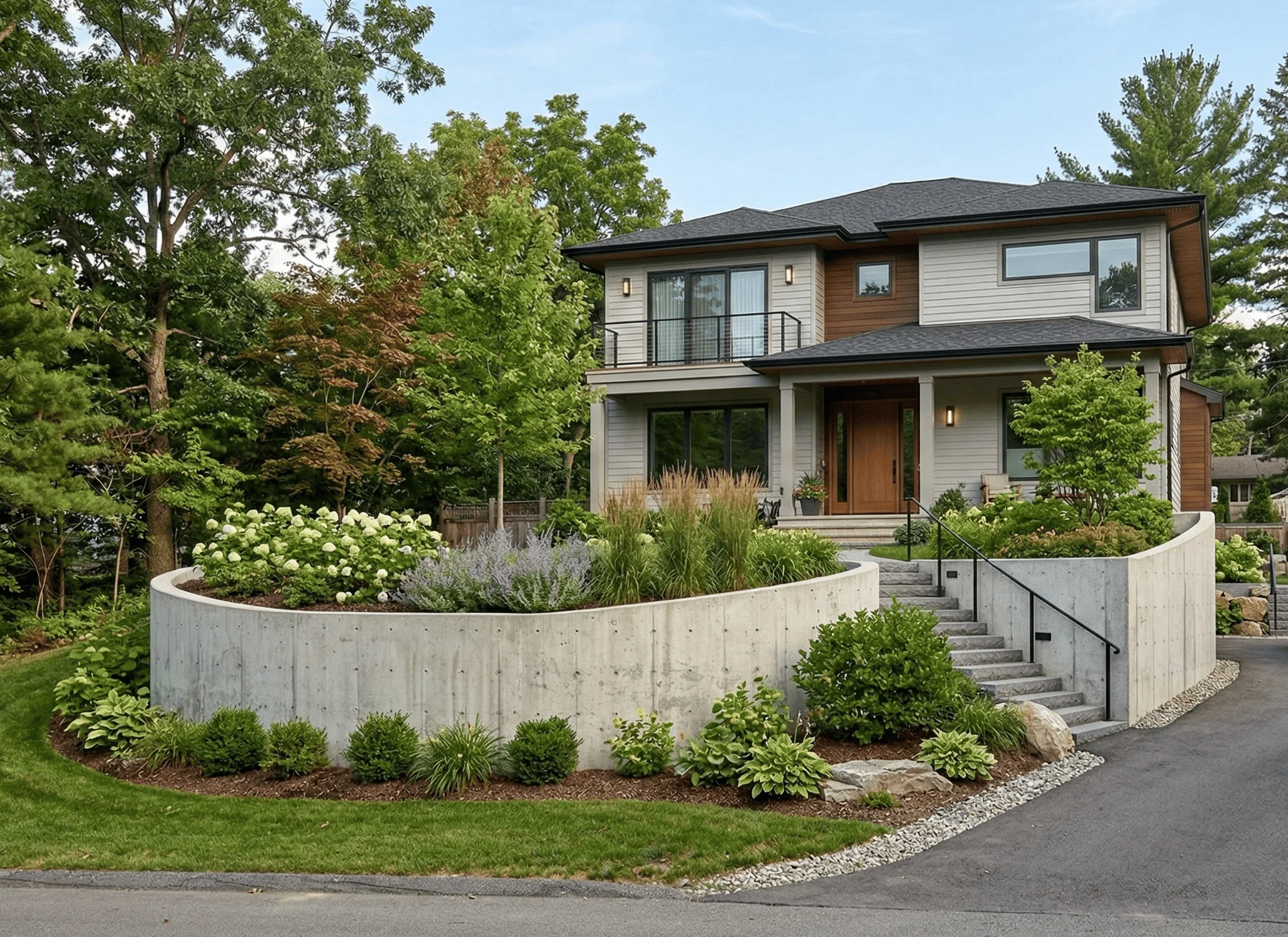
Planning concrete projects during the vibrant spring season can enhance both the aesthetic and functional aspects of your property. With longer days and milder temperatures, spring is an ideal time to execute your concrete plans. This guide will provide you with essential steps to ensure your concrete projects are successful, timely, and efficient.
Why Spring is the Perfect Time for Concrete Projects Spring offers several advantages for concrete work: - Optimal Weather Conditions: The moderate temperatures help in the proper curing of concrete, reducing the risk of cracking and ensuring a strong finish.
-
Availability of Resources: As the construction season picks up, suppliers are usually well-stocked, and contractors are available to take on new projects.
-
Aesthetic Appeal: Completing your concrete projects in spring allows you to enjoy your new outdoor spaces throughout the summer. Understanding these benefits can motivate you to plan your projects effectively.
Key Considerations for Planning Concrete Projects Before diving into your concrete project, consider the following aspects:
- Define Your Project Goals Clearly outline what you want to achieve with your concrete project. Are you looking to enhance curb appeal, increase functionality, or both? Common projects include:
-
Driveways
-
Patios
-
Walkways
-
Retaining walls Defining your goals will help you communicate effectively with contractors and make informed decisions.
- Assess Your Budget Establishing a budget is crucial for any construction project. Consider the following costs: - Materials: Concrete, rebar, and any finishing products.
-
Labor: Hiring professionals or enlisting help from friends and family.
-
Permitting Fees: Check if your project requires any permits from local authorities. Setting a clear budget will guide your decisions and help avoid overspending.
-
Research Local Regulations Every region has specific regulations governing construction projects. This may include zoning laws and building codes. Consult local building departments to understand what permits are necessary and ensure compliance with regulations.
-
Choose the Right Materials The type of concrete you choose can impact the longevity and aesthetics of your project. Options include:
-
Standard Concrete: Ideal for most projects.
-
Decorative Concrete: Enhances visual appeal; includes stamped or stained options.
-
High- Strength Concrete: Suitable for heavy-duty applications requiring additional durability. Your selection should align with your project goals and budget.
Step-by-Step Guide to Planning Your Concrete Projects Once you have assessed your goals, budget, regulations, and materials, follow these steps to plan your concrete project effectively.
Step 1: Create a Detailed Plan Draft a comprehensive plan that includes: - Project Timeline: Outline when each phase of the project will take place.
-
Design Specifications: Sketch the layout and design of your project, including measurements and features.
-
Material List: Compile a list of all necessary materials and their estimated costs.
Step 2: Hire a Professional Contractor If your project is extensive or complex, consider hiring a professional contractor. Look for:
-
Experience: Ensure they have a solid track record with concrete projects similar to yours.
-
References: Ask for references and check reviews from previous clients.
-
Licensing and Insurance: Verify that they are licensed and insured to protect yourself from liability. You can learn more about our services and find qualified contractors at ATX Concrete Contractor.
Step 3: Schedule Your Project Timing is everything in construction. Schedule your project to take advantage of favorable weather conditions. Keep in mind that spring can be unpredictable; thus, allow for flexibility in your schedule to accommodate rain delays or other unforeseen circumstances.
Step 4: Prepare the Site Before the concrete is poured, the site must be properly prepared:
-
Clear the Area: Remove any vegetation, debris, or old structures.
-
Excavate as Necessary: Depending on your project, you may need to dig down to the appropriate depth to accommodate the concrete.
-
Set Up Forms: Use wooden or metal forms to define the shape of your concrete pour. Proper site preparation is critical for achieving a smooth and professional finish.
Step 5: Pouring the Concrete On the day of the pour, ensure the following:
-
Weather Check: Monitor the weather conditions closely. Avoid pouring during heavy rain or extreme heat.
-
Mixing: Ensure the concrete is mixed correctly according to the specifications.
-
Pouring Technique: Pour the concrete in a consistent manner to avoid air pockets and ensure even distribution.
Step 6: Curing the Concrete Curing is crucial for developing the strength and durability of your concrete. Follow these tips:
-
Keep it Moist: Cover the concrete with wet burlap, plastic sheeting, or a curing compound to retain moisture.
-
Timing: Allow the concrete to cure for at least 7 days for optimal strength. Proper curing can prevent cracking and extend the lifespan of your concrete.
Final Touches and Maintenance Once your concrete project is complete, consider these finishing touches:
-
Sealing: Applying a sealant can protect your concrete from the elements and stains.
-
Landscaping: Enhance the area surrounding your new concrete with landscaping elements such as plants, stones, or lighting.
-
Regular Maintenance: Regularly inspect your concrete for cracks or wear and perform necessary repairs promptly. By following these steps, you can ensure that your concrete projects not only meet your expectations but also add lasting value to your property.
Additional Resources For further assistance with your concrete projects, feel free to explore our website for more guidance on various services we offer. Check out our projects page to see examples of our work, or visit our resources section for more tips and insights. Planning your concrete projects in spring can lead to beautiful and functional additions to your property. With careful planning and execution, you can enjoy the benefits of your new concrete features for years to come.