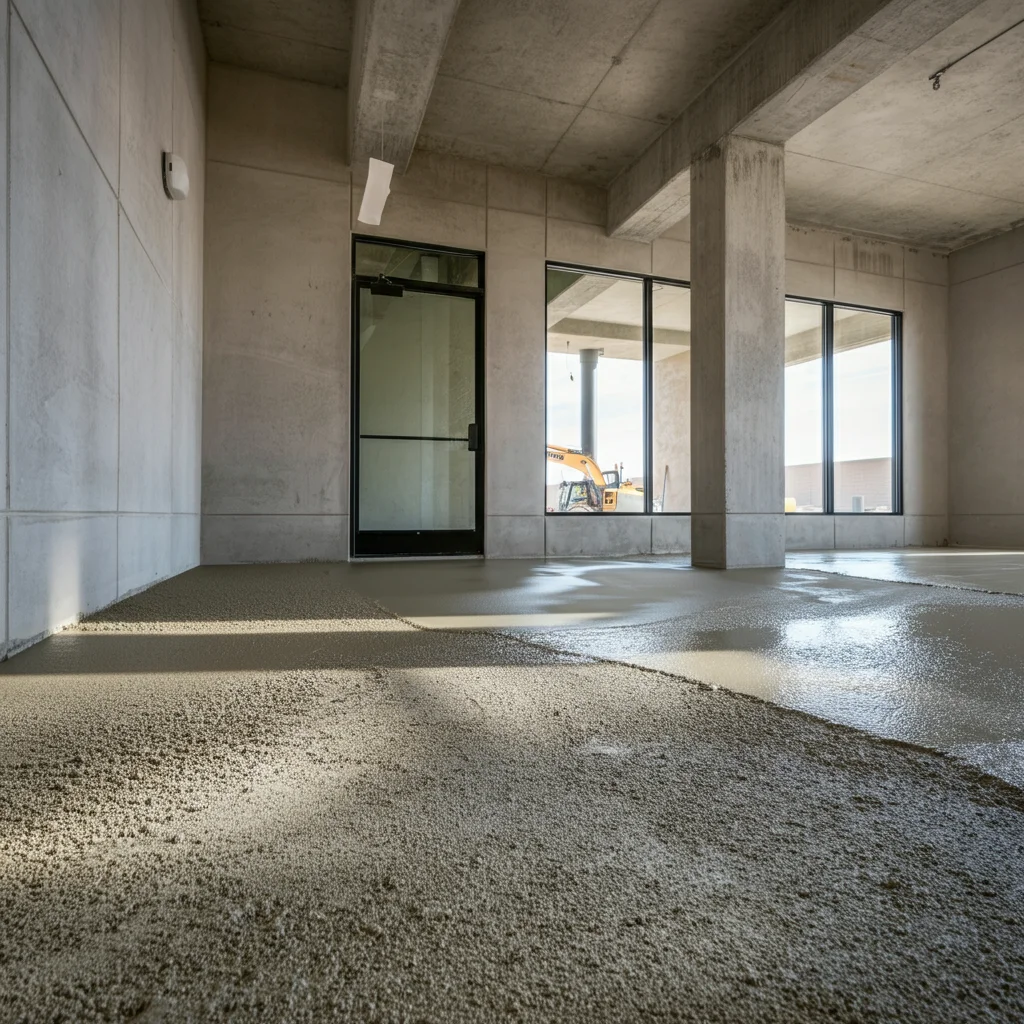
Concrete is one of the most durable and versatile building materials in Austin, but even the toughest surfaces can suffer costly damage if not properly cared for. Texas weather extremes, soil movement, and daily wear all put pressure on concrete driveways, patios, sidewalks, and foundations. Fortunately, a proactive maintenance approach can dramatically reduce the likelihood of cracks, surface damage, and expensive repairs. With the right strategies and regular attention, you can protect your investment and extend the life of your concrete for decades.
Why Proactive Concrete Maintenance Matters in Austin
Austin’s unique climate presents several challenges for concrete surfaces. The region’s mix of scorching summers, occasional freezes, and unpredictable rainfall causes soil to expand and contract, putting stress on slabs and joints. Over time, this can result in cracks, surface flaking, or even structural settling. Proactive maintenance not only helps prevent these issues, but also preserves curb appeal and property value.
Neglecting routine care often leads to small problems escalating into major repairs. For example, a minor surface crack left unaddressed can allow water to penetrate, freeze, and expand, widening the damage. Similarly, stains from leaves or vehicles can become permanent if not removed promptly. By integrating regular inspections and preventative measures into your property upkeep, you’ll save money and avoid inconvenient disruptions later.
Key Areas to Monitor for Early Signs of Concrete Problems
Regular assessments are crucial to catching issues before they become costly repairs. Focus your inspections on these common problem areas:
- Driveways: Look for hairline cracks, oil stains, or uneven sections from soil movement.
- Patios and Walkways: Check for surface scaling, discoloration, or water pooling after rain.
- Sidewalks and Entryways: Watch for chipped corners, trip hazards, and shifting slabs.
- Foundations: Monitor for cracks wider than a quarter inch, doors or windows sticking, or visible settling.
If you spot any of these warning signs, early intervention is key. Visit our guide on why concrete cracks in Austin to understand local causes and solutions.
Essential Maintenance Tasks for Long-Lasting Concrete
A little attention goes a long way when it comes to concrete care. Here are the most effective steps you can take to protect your surfaces throughout the year:
Clean Surfaces Regularly
Leaves, mold, dirt, and automotive fluids can all stain or degrade concrete. Routine cleaning not only keeps your surfaces looking sharp, but also prevents buildup that can lead to long-term damage.
- Sweep weekly: Remove debris that traps moisture and encourages staining.
- Wash seasonally: Use a garden hose or pressure washer on low to clear away grime. Avoid harsh chemicals that can etch the surface.
- Spot-treat stains: Address oil, rust, or organic stains promptly with appropriate cleaners.
Apply a Quality Concrete Sealer
Sealing is one of the most important defenses against moisture penetration, freeze-thaw cycles, and stains. A professional-grade sealer creates a barrier that protects the surface while enhancing color and finish.
- Seal every 2-4 years: Frequency depends on exposure and product type. High-traffic or sun-exposed areas may need more frequent applications.
- Choose the right sealer: Acrylics are good for decorative areas, while penetrating sealers offer deep protection for driveways and walkways.
- Prepare the surface: Always clean thoroughly before sealing. For detailed instructions, see our essential guide to concrete sealing in Austin.
Address Cracks and Damage Promptly
Ignoring small cracks or chips often leads to larger, more expensive repairs down the line. Quick action preserves the structural integrity of your concrete.
- Fill minor cracks: Use a flexible polyurethane or epoxy filler designed for concrete.
- Monitor for changes: Mark cracks with a wax pencil and check if they widen or lengthen over time.
- Consult a professional: Cracks wider than a quarter inch, or those with vertical displacement, require expert assessment. Refer to our repair or replace cracked concrete cost guide for more details.
Prevent Water Pooling and Drainage Issues
Standing water is one of the biggest threats to concrete surfaces. It can seep into cracks, erode the base, and foster freeze-thaw damage.
- Ensure proper grading: Surfaces should slope away from buildings and toward drains.
- Keep gutters clear: Blocked downspouts can overflow and saturate the base beneath your concrete.
- Install drainage solutions: French drains or channel drains help redirect water away from vulnerable areas.
Minimize Heavy Loads and Impact
While concrete is strong, excessive weight or repeated impact can cause cracks or sinking, especially if the base is compromised.
- Avoid parking heavy vehicles: Large trucks or RVs can stress standard residential driveways.
- Use pads for planters and furniture: Distribute weight with rubber or plastic pads to prevent indentations.
- Be cautious with ice melt: De-icing salts can damage concrete over time. Opt for calcium chloride instead of rock salt, or use sand for traction.
Seasonal Maintenance Strategies for Austin’s Climate
Each season in Austin brings its own set of challenges for concrete surfaces. Adjust your maintenance approach throughout the year for the best results.
Spring and Summer
- Inspect for winter damage: Look for new cracks, scaling, or stains as the weather warms.
- Pressure wash surfaces: Remove grime, pollen, and algae that accumulate in spring.
- Reseal if needed: Early summer is ideal for applying sealer, as surfaces are dry and temperatures are optimal for curing.
Fall
- Clear leaves and debris: Organic matter left on concrete can cause staining or promote algae growth during wet weather.
- Check for standing water: Address drainage issues before the rainy season.
- Prepare for winter: Fill any cracks and clean surfaces before potential cold snaps.
Winter
- Avoid de-icing chemicals: Use sand for slip resistance rather than chemical deicers.
- Sweep off snow and ice: For the few icy days in Austin, use a plastic shovel to protect the surface.
- Monitor for freeze-thaw cycles: Inspect for new cracks after cold periods and address them promptly.
For more information on managing concrete during colder months, visit our post on concrete work in winter for Austin homeowners.
When to Consider Concrete Resurfacing or Professional Repairs
Sometimes, routine maintenance isn’t enough to restore heavily worn or damaged concrete. If you’re dealing with widespread scaling, deep cracks, or persistent discoloration, resurfacing may be the best option. This process involves applying a new layer of material over the existing surface, extending its lifespan and improving appearance without the cost of full replacement.
- Resurfacing benefits: Covers cosmetic damage, restores texture and color, and adds years to your concrete’s life.
- Professional repairs: Structural issues, severe cracks, or uneven slabs require expert intervention to ensure long-term stability.
Explore our guide on concrete resurfacing for stunning surfaces for a detailed look at the process and its advantages.
Building a Proactive Maintenance Schedule
The most effective way to avoid expensive repairs is to establish a regular concrete maintenance schedule. Consistent attention ensures that minor issues are caught early and dealt with efficiently.
Here’s a sample schedule you can adapt for your Austin property:
- Monthly: Sweep all concrete areas, remove debris, and check for new stains or cracks.
- Quarterly: Inspect for drainage issues, clean gutters, and pressure wash as needed.
- Annually: Perform a detailed inspection, reseal surfaces (if due), and address any repairs.
- After major storms or freezes: Re-inspect all surfaces for new damage or shifting.
Consider keeping a maintenance log to track when tasks are completed and to note any changes in the condition of your concrete. This record will be invaluable if you ever need professional repairs or warranty support.
Take the Next Step: Protect Your Concrete Investment
A little prevention is worth far more than a major repair bill. By following these proactive maintenance tips and staying alert to early warning signs, you can keep your Austin concrete surfaces looking great and performing well for years to come.
If you notice persistent issues or want expert guidance, our team at ATX Concrete is here to help. We offer a full range of services, including preventative maintenance, professional sealing, resurfacing, and structural repairs. Visit our services to learn more or contact us for a free consultation and personalized recommendations for your home or business.
Maintaining your concrete doesn’t have to be overwhelming. With the right routine and expert support, you can avoid costly repairs and enjoy beautiful, durable surfaces throughout your property.