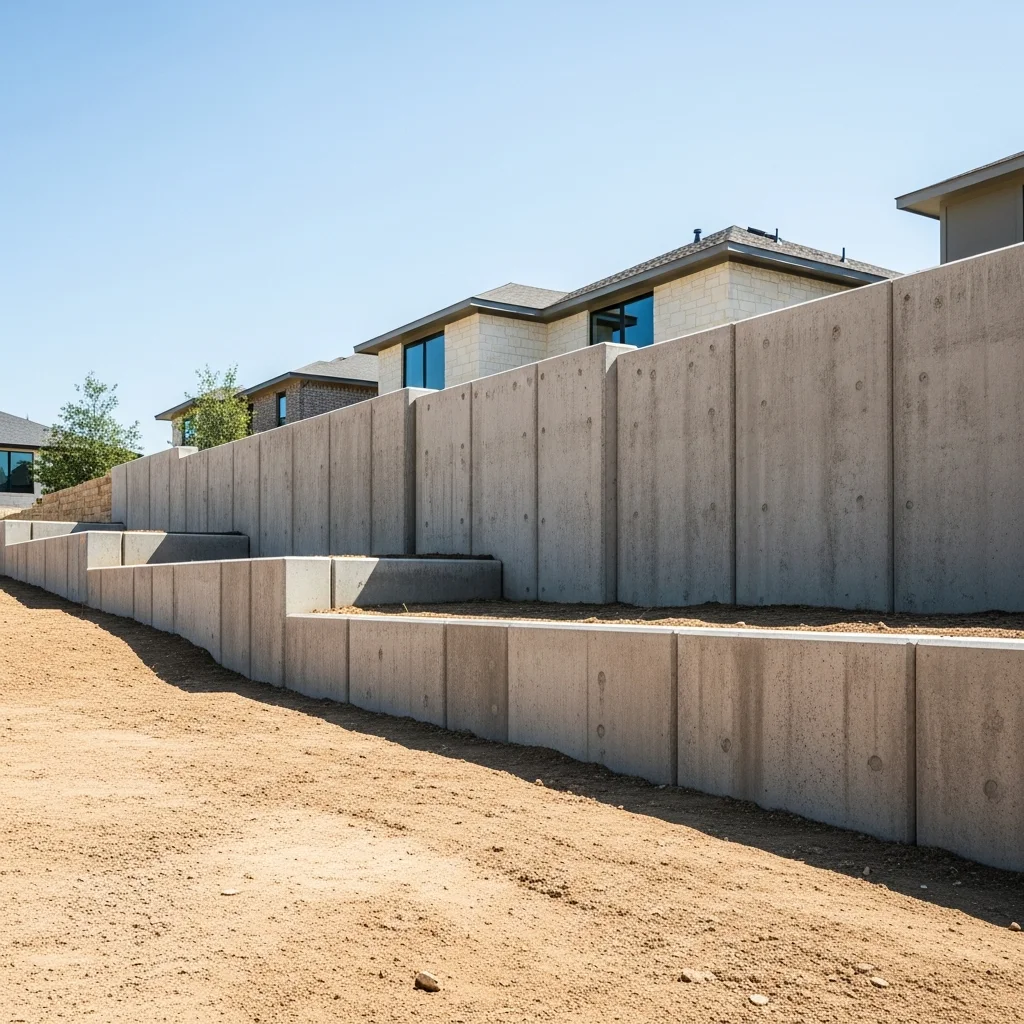
Austin’s rolling terrain and dramatic elevation changes offer unique beauty but also present significant landscaping and construction challenges for homeowners and property managers. Sloped yards are common across the city and its suburbs, and managing them requires creative, sturdy solutions that stand up to Central Texas weather. Concrete retaining walls have become the go-to answer for these challenges, providing both functional support and design flexibility. Here’s a comprehensive guide to concrete retaining walls in Austin, how they address slope and erosion, design tips for seamless integration, and essential drainage strategies for lasting performance.
Why Concrete Retaining Walls Are Essential for Austin’s Slopes
Austin’s topography is defined by hills, limestone outcrops, and active clay soil. While scenic, these features can cause a host of issues for property owners. Steep grades lead to soil movement, water runoff, and difficulty creating usable outdoor spaces. Concrete retaining walls are engineered to:
- Hold Back Soil: Preventing slope collapse or gradual erosion that threatens foundations, driveways, patios, and landscaping.
- Create Level Spaces: Transforming steep, unusable yards into terraces for gardens, patios, or play areas.
- Control Water Flow: Guiding runoff away from structures and reducing risk of pooling, flooding, or foundation damage.
Unlike timber or natural stone, concrete retaining walls deliver unmatched strength, precise installation, and a variety of finish options to complement Austin’s diverse architectural styles.
Addressing Erosion and Drainage: Concrete’s Key Advantages
Erosion is the silent enemy of sloped properties. When heavy rains hit Austin, water rushes downhill, taking valuable topsoil with it and undermining landscaping and hardscaping. Concrete retaining walls, when properly designed and installed, act as a barrier against this force.
How Concrete Walls Prevent Erosion
- Stabilize Soil: The weight and rigidity of concrete keep soil in place, resisting the pressure that causes landslides or gradual slope failure.
- Direct Water Flow: Properly engineered walls incorporate drainage systems, such as weep holes, gravel backfill, and perforated pipes, to allow water to escape safely rather than build up behind the wall.
Essential Drainage Features
A retaining wall without adequate drainage is a short-term fix. Water trapped behind any wall can create hydrostatic pressure, leading to cracks or complete failure. Key drainage features for Austin’s climate include:
- Gravel Backfill: Placed directly behind the wall to promote quick drainage and filter water away from the soil.
- Weep Holes: Small openings at the base of the wall, allowing water to escape gradually and prevent buildup.
- Drainage Pipes: Perforated pipes (French drains) installed behind the wall to channel water away from the structure and into designated runoff areas.
For more on how to expertly manage water and protect your investment, see our Essential Guide to Concrete Sealing in Austin, TX.
Designing Retaining Walls for Austin’s Yards
Every sloped yard is unique, and a successful retaining wall design must account for grade, soil type, intended use, and homeowner preferences. Concrete offers a versatile palette for both structural and aesthetic requirements.
Customizing Your Retaining Wall
- Height and Length: Walls can be built to handle minor garden terraces or major grade changes, with engineering to match the specific load and soil conditions.
- Curved or Straight Lines: Concrete forms can be shaped to follow property lines, create organic curves, or add modern geometric appeal.
- Finish Options: Choose from smooth, textured, or stamped finishes. Decorative concrete can mimic stone, brick, or even wood, matching your home’s style and landscape architecture.
Integrating Landscaping and Outdoor Living
A concrete retaining wall isn’t just a barrier, it can be the backbone of a stunning landscape design. Consider these enhancements:
- Built-In Planters: Tiered walls with integrated planting pockets soften the structure and add color.
- Seating: Wide-topped walls can double as seating for patios or fire pit areas.
- Lighting: Recessed or capstone lighting increases safety and highlights architectural lines at night.
If you’re weighing the benefits of decorative concrete, explore our Essential Guide to Decorative Concrete for Austin Homes.
How to Use Concrete Retaining Walls for Sloped Yards in Austin
Sloped yards don’t have to be a liability. With the right approach, you can maximize usable space and enhance curb appeal:
- Terracing for Usable Space: By building multiple low retaining walls, you can create a series of level terraces, a perfect solution for gardens, patios, or children’s play areas.
- Protecting Foundations: Strategic wall placement above or below your house diverts runoff, stabilizes soil, and reduces the risk of foundation settlement or cracks.
- Defining Outdoor Zones: Retaining walls can separate different areas, such as a lawn from a gravel path or a pool deck from a flower bed, adding function and visual interest.
- Erosion Control on Steep Lots: For properties backing up to greenbelts or creeks, robust retaining walls are often required by code to prevent soil loss and protect the watershed.
For a deeper dive into the value concrete additions bring to Austin homes, read our Concrete Additions in Austin | ATX Concrete Contractor.
Construction Best Practices for Long-Lasting Concrete Retaining Walls
Durability is the hallmark of a well-built concrete retaining wall. Here’s what sets professional installations apart:
- Site-Specific Engineering: Sloped sites, heavy clay, and local weather patterns all affect design. Work with a contractor who understands Austin’s unique challenges.
- Reinforced Concrete: Steel rebar or mesh is embedded in the wall for structural strength, especially for taller installations or walls holding back significant loads.
- Proper Footings: Deep, stable footings prevent settling and movement over time.
- Integrated Drainage: Drainage features are not optional, they are essential for the wall’s longevity.
- Quality Materials: High-strength concrete mixes and professional-grade sealants ensure resistance to weather, moisture, and freeze-thaw cycles.
For more information on how professional installation makes a difference, visit our Top Residential Concrete Services to Transform Your Home’s page.
Permitting and Code Compliance in Austin
Building a retaining wall over a certain height (often 4 feet) in Austin typically requires a permit and may involve engineering review. Local codes are in place to ensure safety, especially on properties near waterways or with significant grade changes. An experienced contractor will:
- Handle all permitting and inspection requirements.
- Design walls to meet or exceed structural standards.
- Advise on property lines, easements, and drainage easements to avoid future legal or maintenance issues.
Maintenance Tips for Concrete Retaining Walls
Concrete is low-maintenance compared to other materials, but a few proactive steps will extend your wall’s lifespan:
- Inspect Annually: Check for cracks, bulges, or drainage issues after heavy rains.
- Clear Weep Holes: Ensure water can flow freely.
- Maintain Landscaping: Avoid planting large trees close to the wall, roots can undermine the structure over time.
- Reseal as Needed: Periodic sealing protects against staining, moisture intrusion, and surface wear.
Planning Your Retaining Wall Project in Austin
If you’re ready to reclaim a sloped yard, improve drainage, or simply create a more inviting outdoor space, a concrete retaining wall is a sound investment. Here’s how to get started:
- Consult with a local contractor who specializes in concrete retaining walls and understands Austin’s soils and building codes.
- Outline your goals, whether maximizing usable space, protecting your foundation, or enhancing landscape design.
- Request a site assessment and a detailed plan that addresses drainage, finishes, and long-term maintenance.
For more details on the impact retaining walls can have on property value, read our Do Retaining Walls Increase Property Value in Austin TX? article.
Ready to Address Your Slope? Expert Help Is a Call Away
Concrete retaining walls offer Austin homeowners a reliable, attractive solution to sloped yard challenges, combining engineering expertise with design flexibility. Whether your goal is erosion control, maximizing outdoor living, or boosting curb appeal, partnering with a trusted local contractor ensures your investment stands the test of time. For a free consultation or to learn more about tailored solutions for your property, visit our get your freequote today services or explore our full range of professional concrete services. Your dream yard, stable, beautiful, and functional, starts with the right foundation.