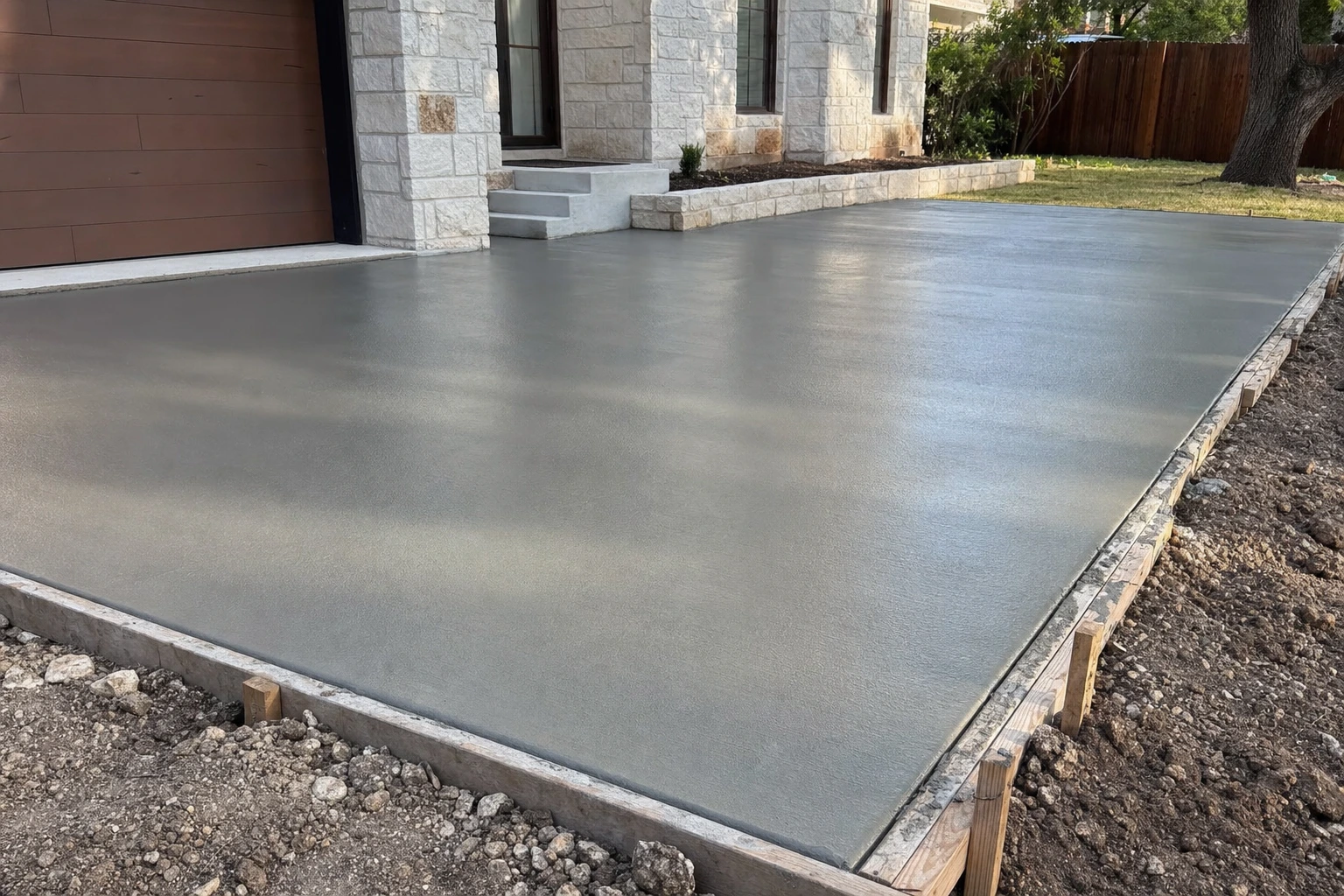
A concrete patio adds both style and function to any Austin home, but too many homeowners run into frustrating problems soon after installation. The most common mistake? Rushing into the project without understanding how local soil, drainage, and weather affect the build, and trusting that every contractor follows the right process for Austin’s unique environment. Here’s what actually happens step-by-step during a professional concrete patio installation, why skipping a step can cause headaches, and how you can ensure your investment stands the test of time.
Why Skipping Prep Is the Most Costly Mistake
The number one reason concrete patios fail early in Austin is poor site preparation. It’s tempting to focus on the finish, the color, the pattern, the final look, but the real secret to a patio that resists cracks and shifting is hidden underneath. Central Texas soils are known for their movement, especially when clay expands and contracts with changing moisture. Rushing the excavation, skipping proper base compaction, or failing to plan for water drainage means even the best-looking patio can start to crack or settle within a few seasons.
The Step-by-Step Concrete Patio Installation Process
You deserve a patio that will last for decades, not just look great for a few months. Here’s how a contractor should approach a concrete patio installation in Austin, TX:
- Site Assessment and Planning: A professional will visit your property, measure the space, discuss how you want to use the patio, and evaluate critical factors like soil type and drainage. This is the time to flag any slopes or low-lying areas that could collect water.
- Marking and Excavation: The outline of the patio is marked with string and stakes, then the area is excavated to the required depth (often 4 - 8 inches, depending on soil and intended use). Removing grass, roots, and debris ensures nothing interferes with the slab’s stability.
- Base Preparation: A thick layer of compacted gravel is installed. This step is essential for drainage and to prevent shifting. If you’re curious about why gravel matters, see the in-depth answer on whether gravel is needed under concrete.
- Formwork and Reinforcement: Wood or metal forms are set up to shape the patio’s edges. Reinforcement, typically rebar or wire mesh, is placed inside the forms to strengthen the slab and help control cracking.
- Pouring the Concrete: The concrete is mixed, poured, and spread evenly within the forms. Timing matters, pouring in the right weather conditions and working quickly to avoid premature setting is key.
- Finishing and Texturing: Once poured, the concrete is leveled and smoothed. You might choose a broom, trowel, or stamped finish for added grip and style. Joints are cut at this stage to control where cracks appear naturally.
- Curing and Protection: Concrete needs time to develop full strength. Curing is not just “letting it dry”, it’s about keeping the surface moist and protected from rapid moisture loss, which helps prevent surface cracks and weak spots.
- Cleanup and Final Inspection: Once cured, forms are removed and the site is cleaned. A reputable contractor will walk through the finished patio with you, address any questions, and provide care instructions for your new space.
How to Avoid Common Pitfalls
The urge to cut corners, especially on base prep, reinforcement, or curing, can be strong if you’re watching the clock or budget. But these shortcuts are why so many patios in Austin end up cracked, uneven, or needing repairs far sooner than expected. For a more detailed look at the types of residential concrete services that can add value and beauty, review our guide on residential concrete services for transforming your home’s exterior.
Another mistake? Focusing only on appearance. Decorative finishes like stamping or staining can add significant curb appeal, but only if the underlying slab is built to last. If you’re interested in exploring decorative options, our article on decorative concrete services in Austin covers the choices available and how they hold up in Central Texas weather.
What to Ask Before You Start
Before hiring a contractor for your concrete patio installation in Austin, TX, ask how they address soil movement, drainage, and reinforcement. Request a detailed explanation of the step-by-step process, and don’t settle for vague assurances, specifics matter. If you’re ready to plan your project, visit our professional concrete services page to learn more or schedule a free consultation.
A patio is meant to be enjoyed for years, not repaired every season. By understanding the most common mistakes and insisting on a thorough, step-by-step approach, you’ll end up with a concrete patio that looks great, functions well, and stands up to everything Austin weather can throw at it.
Atxconcretecontractor.com