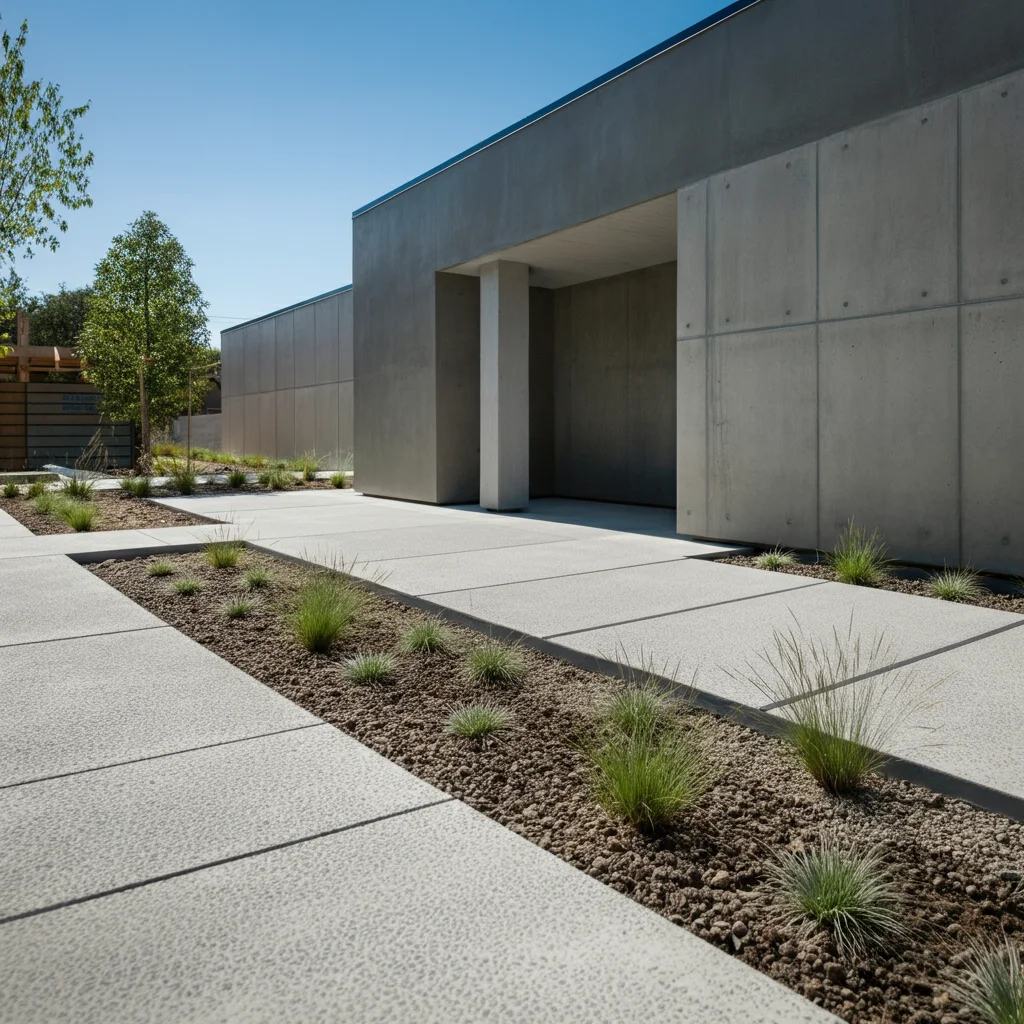
Concrete has long been recognized for its durability and versatility, but its role in sustainable landscaping is often overlooked. Eco-conscious property owners are reimagining how concrete can contribute to greener, more resilient outdoor spaces. Through thoughtful design, innovative materials, and careful planning, concrete becomes a cornerstone of environmentally friendly landscaping that supports water conservation, reduces maintenance, and enhances natural beauty.
Rethinking Concrete in Modern Landscaping
Concrete’s reputation as a sustainable material is growing thanks to advances in technology and increased awareness of environmental impact. Unlike traditional hardscapes that can create heat islands or contribute to stormwater runoff, modern concrete solutions offer permeable surfaces, recycled content, and low-impact installation methods. These features empower property owners to meet sustainability goals without sacrificing style or functionality.
A well-designed concrete landscape minimizes resource consumption and blends seamlessly with the surrounding environment. By choosing the right products and installation techniques, you can create patios, walkways, driveways, and retaining walls that offer long-term performance and eco-friendly benefits.
The Benefits of Sustainable Landscaping with Concrete
Choosing concrete for sustainable landscaping yields a variety of environmental and practical advantages. Here’s how concrete can support a greener property:
- Longevity: Concrete surfaces can last decades with minimal repairs, reducing the need for resource-intensive replacements.
- Low Maintenance: Unlike wood or turf, concrete requires little upkeep, saving water, chemicals, and labor over time.
- Resource Efficiency: Modern concrete mixes can include recycled aggregates and industrial byproducts, lowering the demand for virgin materials.
- Water Management: Permeable concrete options allow rainwater to filter through, reducing runoff and replenishing groundwater supplies.
- Design Flexibility: Concrete can mimic natural stone, brick, or even wood, allowing for creative designs that don’t require harvesting natural resources.
By integrating these features into your landscaping plan, you’ll create an outdoor space that is both beautiful and environmentally responsible.
Permeable Concrete: Managing Water Sustainably
One of the most significant advancements in sustainable landscaping is the use of permeable or porous concrete. Unlike traditional solid slabs, permeable concrete is engineered to allow water to pass through its surface and into the soil below. This approach offers several environmental benefits:
- Stormwater Control: By capturing rain where it falls, permeable surfaces reduce the risk of flooding and erosion.
- Groundwater Recharge: Water that passes through permeable concrete helps replenish local aquifers, supporting healthy ecosystems.
- Reduced Pollution: Filtering rainwater through the ground before it enters waterways helps remove pollutants and debris.
Permeable concrete is particularly effective for driveways, patios, walkways, and parking areas where conventional paving might contribute to runoff. When installed by experienced professionals, these systems are strong enough to handle vehicle traffic while still providing excellent drainage.
For more insights into the applications and benefits of concrete driveways and patios designed for Central Texas conditions, refer to our concrete driveway installation and repair solutions and top benefits of concrete patios.
Using Recycled and Green Concrete Materials
Sustainable landscaping is about making responsible choices from the ground up. Today’s concrete can be formulated with recycled aggregates, reclaimed water, and supplementary cementitious materials (SCMs) such as fly ash or slag. These ingredients:
- Reduce Waste: Using crushed concrete, glass, or industrial byproducts diverts material from landfills.
- Lower Carbon Footprint: SCMs replace a portion of traditional cement, which is energy-intensive to produce.
- Promote Circular Economy: Sourcing local recycled materials helps create a closed-loop system that benefits the community.
Green concrete products are available in a variety of colors and finishes, making it easy to match your sustainability goals with your design vision. When planning your project, discuss eco-friendly material options with your contractor to ensure your landscape truly reflects your environmental values.
Water-Saving Hardscape Designs
With drought and water restrictions increasingly common, sustainable landscaping must prioritize water conservation. Concrete hardscapes can play a pivotal role in reducing outdoor water use while maintaining attractive, functional spaces. Consider these design strategies:
- Strategic Placement: Use concrete to define gathering areas, walkways, and seating spaces, minimizing the amount of grass or thirsty plants.
- Integrated Drainage: Design patios and driveways with gentle slopes or built-in channels to direct water to garden beds or rain gardens.
- Mulched Borders: Pair concrete surfaces with mulch or gravel bands that absorb runoff and reduce evaporation.
- Rainwater Harvesting: Install concrete cisterns or decorative basins to collect and reuse rainwater for irrigation.
By pairing water-wise plantings with efficient hardscape design, property owners can achieve lush landscapes that thrive on minimal irrigation.
Enhancing Biodiversity with Concrete Features
Sustainable landscaping isn’t just about conserving resources, it’s also about supporting local ecosystems. Concrete can be shaped and finished to create habitats for beneficial insects, birds, and small wildlife. Some ways to foster biodiversity include:
- Textured Surfaces: Stamped or exposed aggregate concrete provides nooks for insects and encourages moss or lichen growth in shaded areas.
- Integrated Planters: Concrete retaining walls or steps can double as raised beds, supporting native plants that attract pollinators.
- Water Features: Concrete is ideal for constructing birdbaths, fountains, or small ponds that offer drinking and bathing spots for wildlife.
When designing with nature in mind, select finishes and layouts that harmonize with your local environment and provide shelter or food sources for native species.
Reducing Heat Island Effect with Thoughtful Concrete Installation
Urban and suburban landscapes are prone to heat buildup from hard surfaces, a phenomenon known as the “heat island effect.” Concrete, when properly specified and finished, can help mitigate this problem:
- Light-Colored Surfaces: Opt for lighter pigments or natural gray concrete to reflect sunlight and keep outdoor spaces cooler.
- Shaded Installations: Position concrete patios or walkways beneath trees or pergolas to reduce surface temperatures.
- Vegetated Borders: Surround hardscapes with shade plants or groundcover to further dissipate heat.
Choosing the right finishes and integrating greenery around concrete features will not only make your outdoor areas more comfortable but also support broader urban cooling efforts.
Long-Term Maintenance and Sustainability
A sustainable landscape requires thoughtful maintenance that minimizes environmental impact. Concrete’s natural resilience makes it an excellent choice for low-maintenance design, but a few best practices will help maximize its lifespan and eco-friendly benefits:
- Routine Cleaning: Sweep and rinse concrete surfaces with water rather than harsh chemicals.
- Sealing: Apply eco-friendly sealants to protect against stains, freeze-thaw cycles, and UV damage.
- Repair and Resurfacing: Address cracks or surface wear early to avoid the need for full replacement. For more on this topic, see our concrete resurfacing solutions.
By caring for your concrete features with sustainability in mind, you reduce waste and maintain the beauty of your landscape for years to come.
Choosing a Contractor Committed to Sustainability
The success of a sustainable landscaping project depends on working with professionals who understand eco-friendly design and materials. Look for a contractor with:
- Experience in Sustainable Projects: Ask for examples of permeable surfaces, recycled material use, or water-wise designs.
- Local Knowledge: A contractor familiar with Central Texas conditions can recommend materials and techniques that suit the soil, climate, and ecosystem.
- Transparent Practices: Request information on sourcing, installation methods, and maintenance recommendations that align with your sustainability goals.
ATX Concrete brings years of experience and a commitment to environmentally responsible construction. Our team offers professional concrete services tailored for modern, sustainable landscapes in Austin and the surrounding areas.
Planning Your Sustainable Concrete Landscape
Start your journey toward a greener property by evaluating your site, clarifying your sustainability priorities, and partnering with experts. Consider the following steps:
- Site Assessment: Analyze soil, drainage, sunlight, and existing vegetation.
- Design Consultation: Collaborate with your contractor to incorporate permeable surfaces, recycled materials, and strategic plantings.
- Material Selection: Choose products that balance aesthetics, durability, and environmental impact.
- Installation: Ensure best practices for grading, drainage, and finishing are followed to support sustainability.
- Ongoing Care: Adopt maintenance routines that extend the life of your concrete features and support a healthy landscape.
By investing in quality craftsmanship and sustainable solutions, you’ll create an outdoor environment that benefits your property, your community, and the planet.
Get Started on Your Eco-Friendly Landscape
Sustainable landscaping with concrete is more than just a trend, it’s a smart, responsible approach to outdoor living. By leveraging permeable surfaces, recycled content, water-saving designs, and biodiversity-friendly features, you can enjoy a beautiful, functional landscape that supports your eco-conscious values.
For guidance on transforming your property with sustainable concrete solutions, reach out to the team at ATX Concrete. We’re dedicated to helping you realize your vision with expert advice and environmentally friendly practices. Learn more about our residential concrete services for home exteriors or explore decorative concrete options for Austin homes to get inspired for your next project.