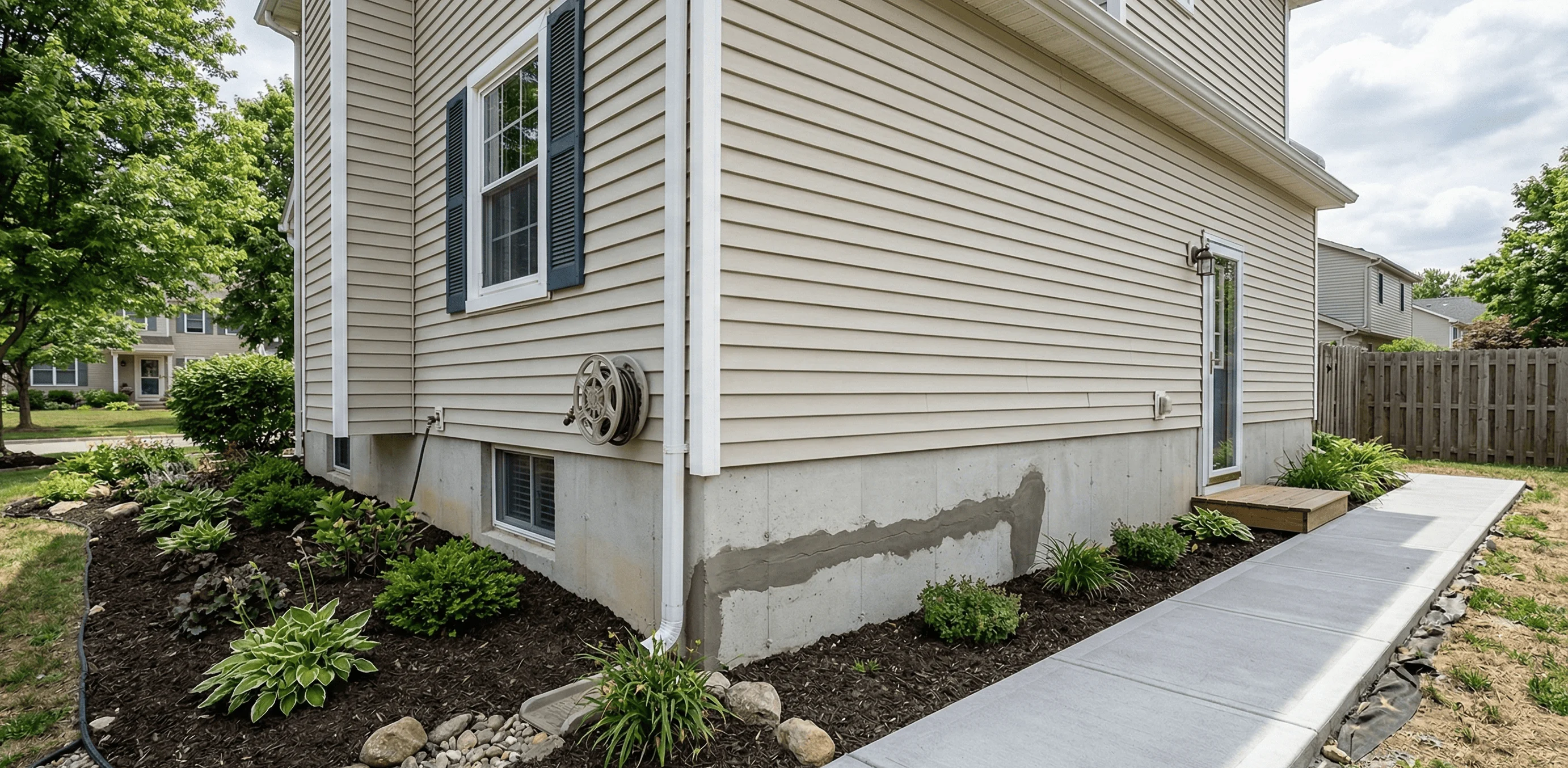
It’s crucial for homeowners to understand the importance of foundation repair, especially in areas where soil conditions can lead to significant structural issues. Foundation problems can arise suddenly or develop gradually over time, often going unnoticed until they become severe. This guide will highlight the essential aspects of foundation repair, the signs to look for, and how these issues can affect the safety and stability of your home.
Why Foundation Repair is Essential
Your home’s foundation is its backbone. It supports the entire structure and ensures its integrity. When the foundation is compromised, it can lead to a cascade of problems that affect not only the house itself but also the safety of its occupants.
Understanding Foundation Issues Foundation issues can stem from various factors, including:
- Soil Movement: Expansive clay soils can expand when wet and shrink when dry, causing significant movement beneath your foundation.
- Poor Drainage: Water accumulation around the foundation can lead to soil erosion or saturation, weakening the foundation.
- Tree Roots: Roots from nearby trees can disrupt the soil balance and even lift the foundation as they grow.
- Age of the Home: Older homes may experience settling over time, leading to cracks and other structural issues. Recognizing these problems early can save homeowners from extensive repairs and safety hazards.
Signs of Foundation Problems
Homeowners should be aware of several warning signs that indicate potential foundation issues. Early detection is key to preventing costly repairs.
Visible Cracks: Cracks in walls, ceilings, or floors are often the first indicators of foundation problems. While some hairline cracks are normal, larger cracks especially those that are wider at the top than the bottom, may signal serious issues.
Uneven Floors: If you notice that your floors are sagging or sloping, this can be a sign of foundation settlement. Uneven flooring not only affects the aesthetics of your home but can also pose safety risks.
Doors and Windows: Not Closing Properly Doors and windows that stick or are difficult to close may be an indication that the foundation is shifting. This misalignment can affect not only the functionality of the windows and doors but also their security.
Gaps Around Windows and Doors: If you observe gaps between your windows or doors and the wall, this could suggest that the foundation is settling. These gaps can allow for drafts and pests to enter your home, further compromising your comfort and safety.
Mold or Mildew Growth: Excess moisture around the foundation can lead to mold or mildew growth, which can cause health issues for you and your family. It's essential to address any water intrusion issues to prevent further deterioration.
How Foundation Repair Affects: Home Safety Neglecting foundation repairs can have dire consequences for your home and family. Here’s how foundation issues can impact safety:
Structural Integrity: A compromised foundation can lead to structural failure, putting everyone inside the home at risk. This can range from minor issues, such as crooked walls, to catastrophic events, such as partial or total collapse.
Increased Repair Costs: The longer you wait to address foundation problems, the more extensive and costly the repairs will be. What may start as a small crack can develop into a significant issue requiring extensive repairs or even a full foundation replacement.
Impact on Property Value: Homes with known foundation issues can see a significant drop in property value. Prospective buyers often shy away from homes with foundation problems, fearing the costs and dangers associated with repairs.
The Foundation Repair Process
Understanding the foundation repair process can help homeowners feel more informed and prepared if they need to address these issues.
Initial Assessment: The first step in the foundation repair process is a thorough inspection by a qualified contractor. They will assess the extent of the damage, identify the root causes, and recommend an appropriate course of action.
Choosing the Right Repair Method Several methods can be used for foundation repair, including:
- Piering: This method involves installing piers beneath the foundation to stabilize and lift it back to its original position.
- Slab Jacking: For concrete slab foundations, this technique raises the foundation by injecting a special mixture beneath it.
- Wall Anchors: Used for bowing or leaning walls, this method stabilizes them by anchoring them to the ground. Your contractor will recommend the best method based on your specific foundation issues.
Repair and Maintenance
Once the repairs are completed, maintaining proper drainage and addressing any landscaping issues around your home is essential. Regular inspections can help prevent future foundation problems.
Choosing a Foundation Repair Professional Selecting the right contractor for your foundation repair is critical. Here are a few tips to consider:
- Experience and Reputation: Look for a contractor with a proven track record in foundation repair. Check online reviews and ask for references.
- Licensing and Insurance: Ensure that the contractor is licensed and insured to protect yourself from liability.
- Warranty: A reputable contractor should offer a warranty on their work, ensuring that you’re covered in case of any future issues.
Conclusion
Foundation repair is a vital aspect of home maintenance that should not be overlooked. By understanding the signs of foundation problems and the importance of timely repairs, homeowners can protect their investment and ensure the safety of their families. If you suspect foundation issues in your home, it’s essential to consult with a professional contractor as soon as possible. For more information on foundation repair and other services, visit our Services page or contact us through our contact form. Prioritizing foundation repair can lead to a safer and more stable home environment.