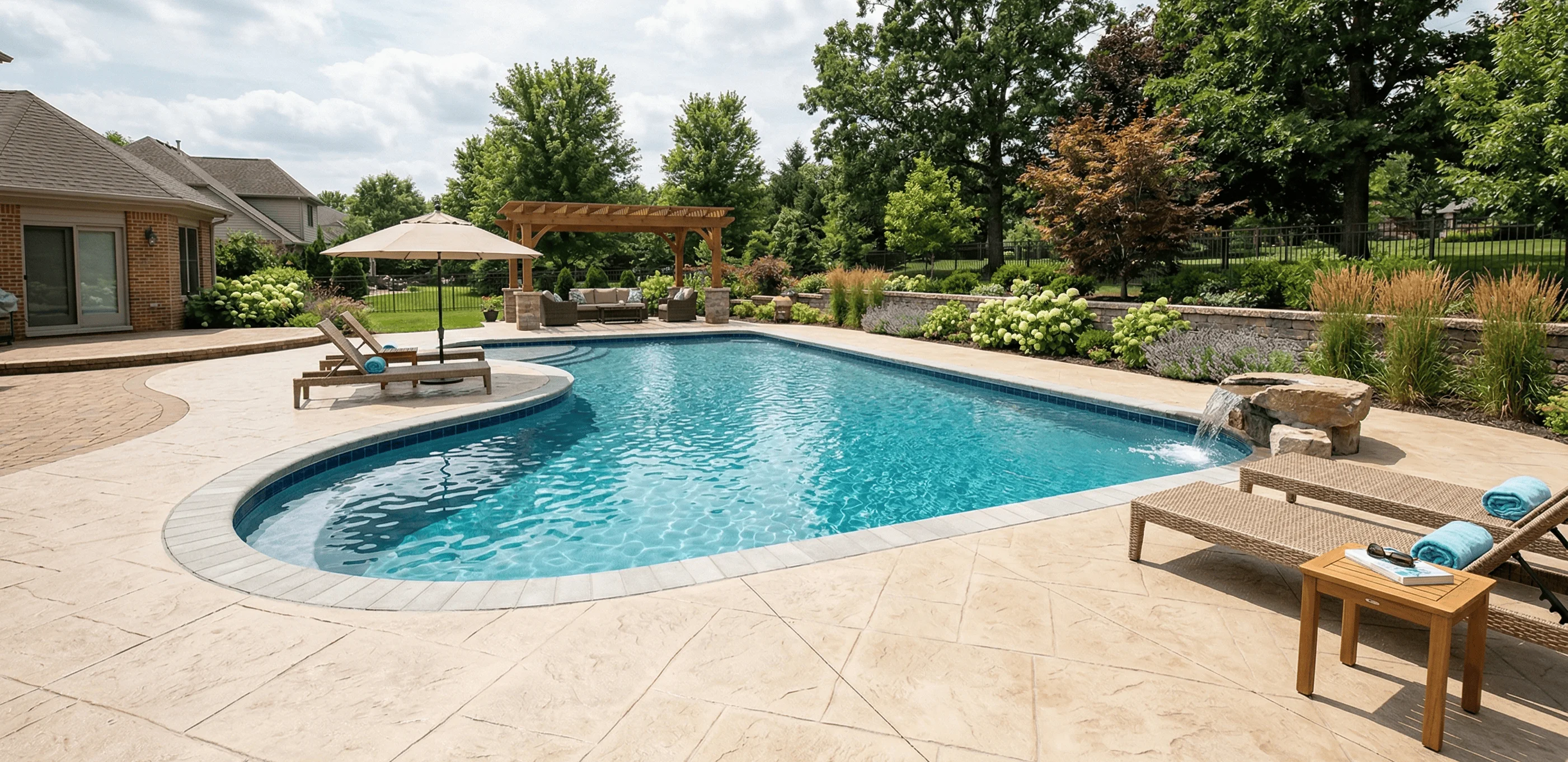
Transforming your backyard into a personal oasis can significantly enhance your outdoor living experience. One of the most effective ways to achieve this is through pool deck resurfacing. This guide will walk you through the benefits of resurfacing your pool deck, the various materials available, and how you can elevate your space in a stylish and functional way.
Benefits of Pool Deck Resurfacing
Pool deck resurfacing offers numerous advantages that can transform your outdoor area. Here are some of the key benefits:
Enhanced Aesthetic: Appeal A worn-out or outdated pool deck can detract from the overall beauty of your backyard. Resurfacing allows you to choose new colors, textures, and patterns that can revitalize your space. Whether you prefer a sleek modern look or a rustic charm, resurfacing gives you the flexibility to create the perfect vibe.
Increased Safety: Over time, pool decks can develop cracks, chips, and uneven surfaces, posing safety hazards. Resurfacing not only restores the deck's appearance but also provides a smooth, slip-resistant surface. This is particularly important for families with children or pets, ensuring a safe environment around the pool.
Cost-Effective Solution: Replacing an entire pool deck can be costly, but resurfacing is a more budget-friendly option. It requires less material and labor, allowing you to achieve a fresh look without breaking the bank. Plus, maintaining your existing structure can extend its lifespan and save you money in the long run.
Improved Functionality: Resurfacing can also enhance the functionality of your pool deck. Upgrading to materials designed for heat resistance can make your deck more comfortable to walk on during hot summer days. Additionally, certain resurfacing options can improve drainage, preventing water from pooling and ensuring a safer environment.
Resurfacing Options for Pool Decks
When considering pool deck resurfacing, various materials and methods are available to suit different styles and needs. Here are some popular options:
Concrete Resurfacing
- Concrete resurfacing is a common choice for pool decks. This process involves applying a thin layer of polymer-modified concrete to the existing surface. It allows for a variety of finishes, including stamped designs, stained colors, and textured patterns. Concrete resurfacing is durable, can withstand harsh weather, and is relatively low-maintenance.
Cool Decking
- For those looking to keep their pool area cool, cool decking is an excellent option. It consists of a special coating that reflects sunlight, reducing the surface temperature. This is particularly beneficial in warmer climates where hot surfaces can be uncomfortable. Cool decking is available in various colors and styles, making it a versatile choice for any backyard.
Pavers
- Pavers are another attractive option for pool deck resurfacing. They come in an array of materials, including concrete, brick, and natural stone, allowing for a customized look. Pavers are easy to install and can be replaced individually if damaged, making them a practical option. They also provide excellent drainage, which helps prevent water accumulation.
Decorative Overlay
- If you want to achieve a unique look, decorative overlays can add texture and color to your pool deck. These overlays can mimic other materials, such as stone or tile, giving you the appearance of luxury without the associated cost. They also enhance the durability of your pool deck, making them a wise investment.
Choosing the Right Resurfacing Material
Selecting the right material for your pool deck resurfacing project is crucial. Consider the following factors when making your decision:
Climate
The local climate can significantly impact the performance of your pool deck. If you live in an area with extreme heat, materials that reflect sunlight, like cool decking, may be more suitable. Conversely, if you experience colder temperatures, ensure the material can withstand freezing conditions without cracking.
Aesthetic Preferences
Think about the overall look you want to achieve. Do you prefer a modern, minimalist design or something more classic? The available colors and textures can help you create a cohesive look that complements your home and landscape.
Budget
While resurfacing is generally more affordable than replacement, costs can still vary widely based on the material and complexity of the job. Set a budget before starting your project and consult with professionals to find the best options that fit within your financial plan.
The Resurfacing Process
Understanding the resurfacing process can help you prepare for the project. Here’s a step-by-step overview:
Consultation and Assessment: Begin by contacting a professional to assess your current pool deck. They will evaluate the condition of the surface and discuss your resurfacing options based on your needs and preferences.
Surface Preparation: Before resurfacing begins, the existing surface must be thoroughly cleaned and repaired. This may include filling cracks, removing loose debris, and applying a primer to ensure better adhesion of the new material.
Application: Once the surface is prepared, the chosen resurfacing material will be applied. Depending on the method, this could involve pouring a new layer of concrete, laying pavers, or applying a decorative overlay. The application process may take several hours to a couple of days, depending on the complexity of the project.
Curing: After application, it's essential to allow the new surface to cure properly. This process can take anywhere from a few days to a week, depending on the material used. Proper curing ensures the longevity and durability of your new pool deck.
Maintaining Your Resurfaced Pool Deck
To keep your resurfaced pool deck looking great for years to come, regular maintenance is essential. Here are some tips:
Regular Cleaning - Routine cleaning can prevent dirt and debris from accumulating on your pool deck. Use a broom or leaf blower to remove leaves and dirt, and wash the surface periodically with soap and water to maintain its appearance.
Inspect for Damage - Periodically check for any signs of damage, such as cracks or uneven surfaces. Early detection can help you address issues before they become more significant problems, saving you time and money in repairs.
Resealing - Depending on the material used, resealing your pool deck every few years may be necessary to protect it from the elements and maintain its appearance. Consult with your contractor to determine the best sealing options for your resurfaced deck.
Conclusion
Pool deck resurfacing is an effective way to transform your backyard into a stylish and functional oasis. With various options available, you can choose the perfect material to enhance safety, aesthetics, and functionality. By investing in a resurfacing project, you not only improve your outdoor space but also increase the value of your home. For more information on our services, visit our services page or reach out through our contact form. Transform your pool area today and enjoy a refreshing retreat right in your backyard!