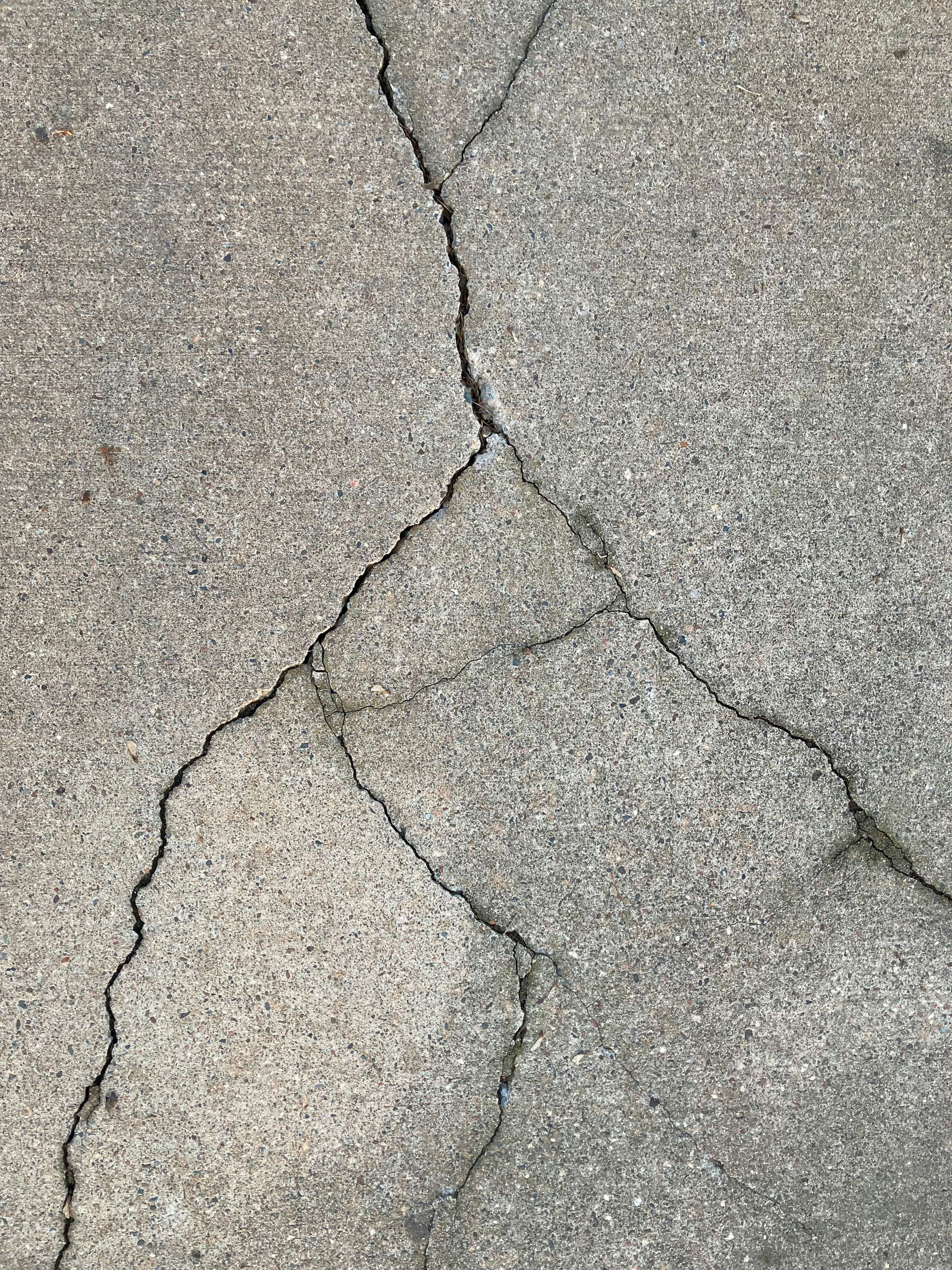
If you own a home in Austin, chances are you've noticed cracks forming in your driveway, patio, sidewalk, or other concrete surfaces. Many homeowners are surprised when concrete cracks even though it's relatively new. The truth is, concrete cracking in Austin is extremely common and it's usually caused by local environmental conditions rather than poor materials.
Understanding why concrete cracks in Austin can help you prevent further damage and decide when repairs or resurfacing are needed.
Austin's Clay Soil Is the Biggest Culprit
One of the primary reasons concrete cracks in Austin is the expansive clay soil found throughout Central Texas. This soil behaves very differently from sand or loam. When it absorbs moisture during rain, it expands. During dry periods, it shrinks. This constant expansion and contraction creates movement beneath concrete slabs.
Over time, that movement places stress on concrete surfaces. Even properly installed concrete can crack if the soil beneath it shifts repeatedly. Driveways, patios, and walkways are especially vulnerable because they sit directly on the ground and experience constant load and pressure.
This soil movement is not a defect, it's simply a reality of building in Austin.
Extreme Heat Causes Concrete Expansion
Austin's long, hot summers also play a major role in concrete cracking. Concrete expands when exposed to heat and contracts as temperatures cool. In Central Texas, temperature swings between season and even between day and night can be significant.
When concrete expands without enough room to move, stress builds up internally. Over time, this stress can lead to surface cracks or separation at weak points. This is why properly placed control joints and expansion joints are so important in Austin concrete projects.
Heavy Rain and Poor Drainage Add Pressure
Austin is known for sudden heavy rainstorms. When water pools around or beneath concrete surfaces, it increases pressure on the slab and accelerates soil movement. Poor drainage is a common cause of cracking, sinking, and uneven concrete.
Water that is not directed away from driveways or patios can weaken the base underneath, making cracks worse and causing sections of concrete to settle or shift.
Shrinkage Cracks Are Normal – Structural Cracks Are Not
Not all concrete cracks are the same. Some small cracks form naturally as concrete cures and dries. These are called shrinkage cracks and are usually cosmetic.
However, wider cracks, uneven slabs, or cracks that continue to grow often indicate underlying issues such as soil movement or drainage problems. These types of cracks should be evaluated by a professional to prevent further damage.
Common Areas Where Cracks Appear in Austin Homes
Concrete cracking most often shows up in areas that experience heavy use or soil movement, including:
-
Driveways exposed to vehicle weight and heat
-
Sidewalks and walkways
-
Pool decks
-
Concrete slabs near foundations
Addressing cracks early can often prevent the need for full replacement later.
What Homeowners Can Do About Cracked Concrete
The right solution depends on the severity of the cracking and the condition of the concrete beneath it. In many cases, cracked concrete does not need to be replaced.
Professional options may include concrete crack repair, resurfacing, leveling, or sealing. These solutions restore appearance, strengthen the surface, and extend the life of the concrete.
For concrete that is severely damaged or structurally compromised, replacement may be the most cost-effective long-term option. A professional evaluation helps determine the best path forward.
How Professionals Prevent Cracking in Austin
Experienced concrete contractors take Austin's soil and climate into account from the beginning. Proper base preparation, reinforcement, control joints, drainage planning, and high-quality materials all reduce the risk of cracking.
While no concrete surface can be guaranteed crack-free forever, professional installation dramatically minimizes cracking and improves long-term performance.
Final Thoughts: Cracking Concrete Is Common – But Fixable
Concrete cracking is one of the most common issues homeowners face in Austin, but it doesn't always mean failure. With the right repair approach and preventative measures, most concrete surfaces can be restored and protected for years to come.
If you're seeing cracks in your driveway, patio, or outdoor concrete, addressing the issue early can save time and money while preserving your home's value.
Need Help With Cracked Concrete in Austin?
ATX Concrete Contractor specializes in concrete repair, resurfacing, and installation designed for Austin's soil and climate. We provide honest evaluations and long-lasting solutions.