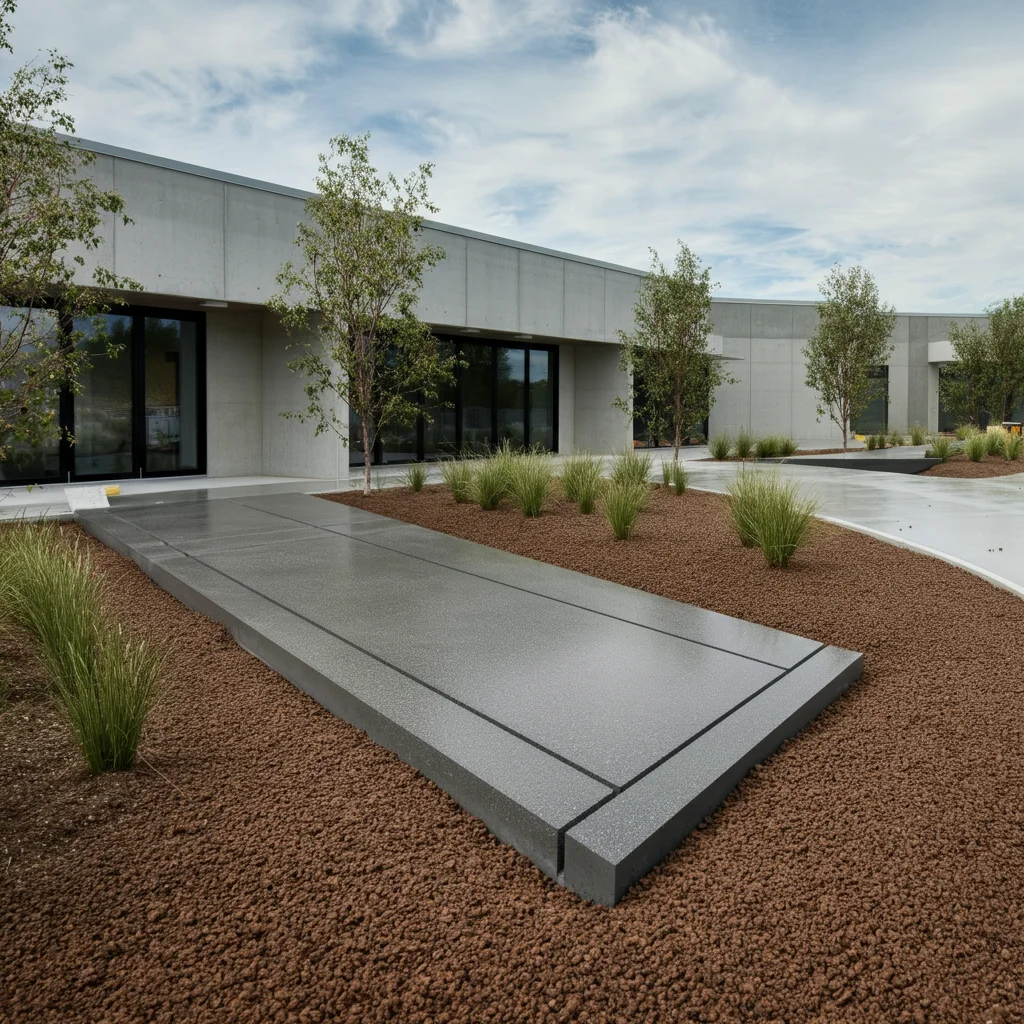
Concrete has long been recognized for its durability, versatility, and value in landscaping projects. As environmental awareness grows in 2026, property owners and designers are increasingly seeking sustainable ways to integrate concrete into outdoor spaces. Sustainable concrete landscaping is not just about reducing environmental impact, it’s about creating outdoor environments that are beautiful, resilient, and efficient. With the right strategies, concrete can be a key component in eco-friendly landscaping throughout Central Texas and beyond.
What Makes Concrete Landscaping Sustainable?
Sustainable concrete landscaping centers on minimizing resource consumption, supporting local ecosystems, and reducing long-term maintenance demands. While traditional concrete production is energy-intensive, modern innovations and smarter design choices help reduce its carbon footprint.
- Key elements of sustainable concrete landscaping include:-Materials with recycled content: Using concrete mixes that incorporate recycled aggregates or industrial byproducts.
- Permeable paving solutions: Allowing water to filter through surfaces to reduce runoff and replenish groundwater.
- Efficient installation techniques: Minimizing waste and optimizing material use.
- Long-term durability: Reducing the need for frequent repairs or replacements.
- Integration with native plants and efficient irrigation: Supporting local ecology and conserving water.
ATX Concrete is committed to advancing these practices by offering eco-friendly solutions tailored for the Central Texas environment.
Permeable Concrete: Managing Water the Sustainable Way
Permeable or porous concrete is a standout innovation in sustainable landscaping. Unlike traditional concrete, permeable concrete allows rainwater to pass through its surface and percolate into the ground below.
- This approach offers several environmental benefits:-Reduces stormwater runoff: Lessens erosion and helps prevent flooding.
- Recharges aquifers: Supports the local water table by allowing water to seep back into the earth.
- Filters pollutants: Traps debris and contaminants before they reach waterways.
Incorporating permeable concrete in driveways, walkways, patios, and parking areas allows homeowners to comply with local stormwater regulations while supporting a healthier landscape. For more details on functional and attractive walkway solutions, see our exposed aggregate concrete finishes for Austin walkways.
Choosing Eco-Friendly Concrete Materials
Selecting the right materials is a cornerstone of sustainable landscaping. Advances in concrete technology now allow for the use of recycled aggregates, such as crushed glass or reclaimed concrete, and supplementary cementitious materials like fly ash or slag cement.
Benefits of eco-friendly concrete materials include:
- Reduced resource extraction: Fewer raw materials are needed when recycled content is used.
- Lower embodied carbon: Industrial byproducts can reduce the carbon emissions associated with Portland cement.
- Enhanced durability: Many supplementary materials actually strengthen the finished concrete, lengthening its useful life.
When planning your landscape, request concrete mixes that incorporate recycled content or low-carbon alternatives. ATX Concrete continually evaluates new material options and green technologies to offer clients the best in sustainable construction.
Designing for Longevity and Low Maintenance
The most sustainable landscapes are those that stand the test of time. Concrete’s strength and resistance to weathering make it ideal for outdoor surfaces exposed to Texas heat, rain, and active soil. However, design and installation play a critical role in maximizing lifespan and minimizing environmental impact.
- Strategies for sustainable design include:-Proper site preparation: Ensures a stable base, reducing the risk of cracking or shifting.
- Strategic placement of control joints: Minimizes unsightly and costly damage.
- Thoughtful grading and drainage: Prevents pooling and soil erosion, protecting both your investment and the surrounding environment.
- Sealed surfaces: Using eco-friendly sealants that extend the life of your concrete and reduce maintenance needs.
Learn more about essential concrete maintenance in our concrete sealing guide for Austin.
Integrating Concrete with Sustainable Landscaping Features
Concrete is a versatile partner for other green landscaping elements. By blending hardscaping with softscaping and sustainable systems, you can create a landscape that is both functional and environmentally responsible.
- Consider these integrations:-Rain gardens and bioswales: Directing runoff from concrete surfaces into planted areas that filter and absorb water.
- Native and drought-tolerant plants: Surrounding concrete patios or walkways with species that require less water and upkeep.
- Efficient irrigation: Installing drip systems or subsurface irrigation adjacent to concrete features to minimize water waste.
- Edging and retaining walls: Using decorative concrete to define planting beds, control erosion, and add structure with minimal maintenance.
For inspiration on combining beauty and practicality, see our decorative concrete services in Austin.
Sustainable Concrete Solutions for Different Landscape Elements
Each area of your outdoor space presents unique opportunities for sustainable design with concrete.
Driveways and Parking Areas
Traditional asphalt and concrete can contribute to heat islands and runoff issues. Permeable pavers or porous concrete driveways offer an eco-friendly alternative, reducing surface temperatures and supporting groundwater recharge. Add in recycled concrete base layers for an even greener result.
Patios and Outdoor Living Spaces
Concrete patios offer durability and comfort underfoot. Choose light-colored or reflective finishes to minimize heat absorption. Stamped and stained concrete can mimic natural materials without the extraction or environmental cost.
Walkways and Paths
Narrow, winding concrete paths can blend seamlessly with planted areas, minimizing the hardscape footprint. Permeable concrete, decorative scoring, or exposed aggregate finishes add texture and stormwater benefits.
Retaining Walls and Edging
Concrete retaining walls provide erosion control and can be constructed using recycled materials. Modular concrete blocks or cast-in-place designs support terraced gardens, native planting zones, or rainwater management features.
Minimizing Environmental Impact During Installation
How concrete is installed is as important as the materials chosen. ATX Concrete’s crews follow best practices to reduce waste, limit emissions, and protect the surrounding landscape during every project.
- Sustainable installation practices include:-Precise batching and mixing: Reduces excess material and on-site waste.
- Efficient formwork and curing: Minimizes resource use and supports optimal strength.
- Reusing or recycling old concrete: When replacing existing slabs, old material can be crushed for base layers or other uses.
- Dust and runoff control: Protects neighboring properties, waterways, and air quality.
Our commitment to green construction extends from initial consultation through final clean-up, ensuring your project is both beautiful and responsible.
ATX Concrete’s Green Initiatives
Sustainability is woven into ATX Concrete’s operations and project planning. Here’s how we support eco-friendly outcomes:
- Customized recommendations: Each project receives a tailored assessment for integrating green practices, from material choices to design features.
- Continuous education: Our team stays up to date with advancements in sustainable concrete, local regulations, and emerging technologies.
- Community partnerships: We work with suppliers and local organizations to source responsible materials and support environmental stewardship in Central Texas.
For an in-depth look at our approach and expertise, visit our about page.
Planning Your Sustainable Concrete Landscape
Every sustainable landscape begins with a clear vision and expert guidance. Here are steps to ensure your project balances environmental responsibility with lasting value:
- Assess your site: Understand soil conditions, drainage, sunlight, and existing vegetation.
- Define your goals: Identify priorities such as stormwater management, low maintenance, or wildlife habitat.
- Choose the right materials: Opt for recycled content, permeable options, and locally sourced aggregates when possible.
- Work with experienced professionals: Partner with a contractor who understands sustainable practices and local conditions.
- Integrate systems: Combine concrete hardscaping with native planting, efficient irrigation, and rainwater harvesting.
- Plan for the future: Design for durability and consider how your landscape will evolve over time.
For additional guidance on transforming your home's exterior with concrete, see our guide to residential concrete services.
Taking the Next Step Toward a Greener Landscape
Sustainable concrete landscaping is more accessible and beneficial than ever before. By embracing innovative materials, permeable paving, and smart design, you can create an outdoor space that’s beautiful, resilient, and environmentally friendly. ATX Concrete is here to help you achieve these goals with expert craftsmanship and a commitment to green building.
To explore sustainable concrete options for your property or request a personalized consultation, reach out to our team or visit our professional concrete services page. Sustainable landscaping is not just a trend, it’s an investment in your property and the planet.