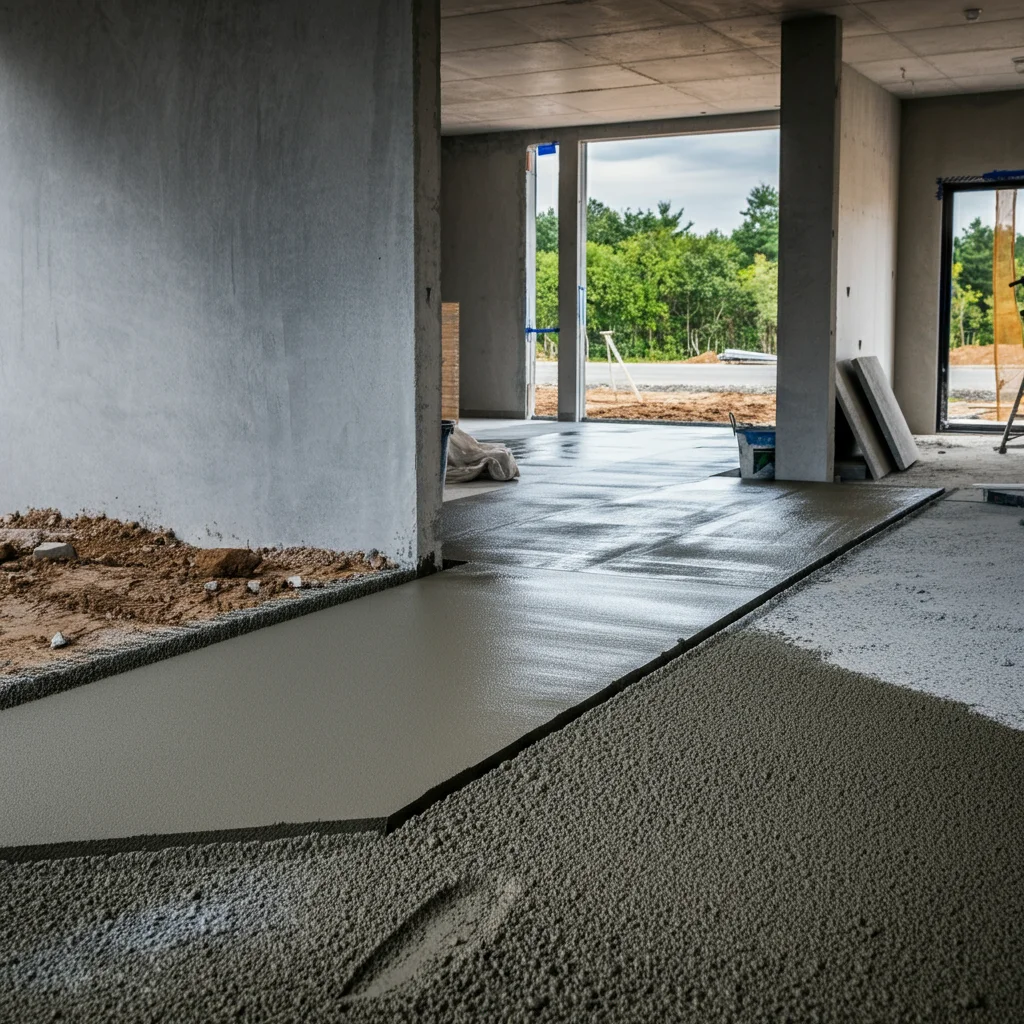
Concrete installation is a major investment for any property, whether it’s a residential driveway, commercial foundation, or decorative patio. Yet, even with modern materials and advanced equipment, common mistakes during installation can compromise the strength, appearance, and longevity of concrete surfaces. These errors are not limited to DIY enthusiasts, professional contractors sometimes overlook critical steps under pressure. Understanding the most frequent pitfalls in concrete installation and how to prevent them will save you time, money, and frustration, and ultimately ensure your project stands the test of time.
Understanding Why Concrete Installation Mistakes Happen
Concrete work may look straightforward, but it’s a highly technical process that requires precision from start to finish. Many mistakes occur due to inadequate site preparation, improper mixing, rushing the pour, or neglecting the curing process. Environmental conditions in Central Texas, such as rapid temperature swings and active soils, can amplify the effects of even small errors. Whether you’re tackling a small backyard patio or managing a large-scale commercial slab, knowing the risks ahead of time is the first step to a successful project.
The Most Common Concrete Installation Mistakes
Below are the most frequent mistakes seen in both DIY and professional concrete installations, along with the reasons they lead to trouble.
- Inadequate Site Preparation: Failing to properly grade, compact, or clean the base leads to uneven settling, drainage issues, and premature cracking.
- Incorrect Concrete Mix: Using the wrong proportions of cement, sand, aggregate, and water results in weak, brittle, or porous concrete.
- Insufficient Reinforcement: Neglecting rebar, wire mesh, or proper placement can cause slabs to crack under load or movement.
- Poor Formwork: Forms that are misaligned or inadequately braced allow concrete to bulge, leak, or lose its intended shape.
- Rushing the Pour: Pouring too quickly, or not coordinating delivery and placement, can cause cold joints, air pockets, or segregation of materials.
- Improper Finishing: Overworking the surface, finishing too early, or using the wrong tools can lead to scaling, dusting, or poor texture.
- Neglecting Control Joints: Skipping or misplacing joints means cracks may develop unpredictably as the slab cures and moves.
- Improper Curing: Failing to maintain moisture or temperature during curing leads to weak, brittle, or discolored concrete.
- Ignoring Weather Conditions: Pouring in extreme heat, cold, or rain without proper precautions can ruin the integrity of the concrete.
Each of these mistakes can be avoided with careful planning, the right materials, and an understanding of local conditions.
How to Avoid Poor Site Preparation
A solid concrete installation starts with a stable base. Many problems originate from skipping steps in grading, compacting, or drainage planning.
Begin by removing all organic material, debris, and loose soil from the site. Grade the area to ensure proper slope away from buildings for drainage. Use a mechanical compactor to achieve a dense, stable base, this prevents settling and reduces the risk of cracks. In areas with expansive clay or inconsistent soils, consider a layer of crushed stone or gravel to further stabilize the base and promote drainage.
For larger or more critical projects, a vapor barrier may be necessary to prevent moisture from rising through the slab, reducing the risk of surface damage or mold.
Getting the Concrete Mix Right
The strength and durability of a concrete slab depend on the mix design. Using too much water weakens the finished product, while a dry mix is difficult to work and may not bond well.
Follow the manufacturer’s recommendations or consult with your supplier for the correct ratio of cement, aggregate, sand, and water for your project type. For structural applications, such as foundations or heavy driveways, a higher strength mix is essential. Always mix thoroughly to ensure even distribution of materials.
Adding water to improve workability on-site is a common but critical error. Excess water increases porosity, reduces strength, and makes the surface more susceptible to dusting and scaling. If you’re unsure about the right mix, consult with a professional or see guidelines on our essential guide to concrete slabs for construction projects.
Reinforcement: Why It Matters
Reinforcement in the form of rebar or wire mesh is crucial for resisting cracks caused by shrinkage, movement, or heavy loads. It’s not enough to simply lay reinforcement on the ground, bars and mesh must be properly positioned within the slab, typically near the center or lower third.
Use chairs or spacers to keep reinforcement at the correct height during the pour. Overlapping and tying bars according to code ensures that stress is distributed effectively. For driveways, patios, and walkways, reinforcement prevents unsightly cracks and prolongs the life of the concrete.
Building and Setting Formwork Correctly
Formwork defines the shape and edges of your concrete pour. If forms are not level, tightly braced, and sealed, the concrete may leak, bulge, or harden unevenly.
Before pouring, double-check all measurements, alignments, and levels. Use sturdy materials like straight lumber or metal forms, and drive stakes securely to resist pressure from the wet concrete. Apply a release agent or oil to the forms for easy removal and clean, crisp edges.
Timing and Technique in Pouring Concrete
A successful pour requires coordination and the right pace. Pouring too fast can cause segregation of aggregate and cement, while pouring too slowly may create cold joints, weak lines where fresh and partially set concrete meet.
Work in sections, maintaining a consistent workflow. Have enough labor available to spread, screed, and finish the surface as the pour progresses. Use a concrete vibrator or tapping to remove air pockets (voids) that weaken the slab.
Monitor the weather and adjust the pour schedule if necessary, extreme temperatures or rain can dramatically affect the outcome. For tips on handling projects in challenging weather, see our article on concrete work in winter for Austin homeowners.
Finishing Mistakes and How to Avoid Them
Finishing concrete is as much art as science. Common mistakes include troweling too soon (before bleed water evaporates), overworking the surface, or using the wrong finishing tools.
Wait until the bleed water has disappeared before starting final finishing. Overworking can draw excess water and fines to the surface, causing scaling or dusting later on. Use appropriate brooms, floats, or edgers for your desired finish, a light broom finish is ideal for outdoor walkways, while troweled or stamped finishes suit patios and decorative surfaces.
For more on decorative techniques and finishes, explore our decorative concrete services in Austin, TX.
The Role of Control Joints
Concrete naturally shrinks as it cures, which leads to cracking. Properly placed control joints help direct where cracks occur, so they’re less visible and don’t undermine the structure.
Mark and cut control joints at intervals appropriate for the slab thickness, generally, joints should be spaced no more than 2-3 times the slab’s thickness in feet (for a 4-inch slab, joints every 8-12 feet). Joints should be at least one-quarter of the slab’s thickness deep.
Cut joints as soon as the concrete can be walked on without damage, but before it fully hardens. Skipping or misplacing joints can result in random, unsightly cracks.
Curing: The Most Overlooked Step
Curing is essential for concrete to reach its full strength and durability. Too often, slabs are left to dry out too quickly, leading to surface cracks, dusting, or color changes.
Keep the surface moist for at least seven days (or longer in hot, dry weather) using water spray, wet coverings, or commercial curing compounds. Avoid placing heavy loads or driving on new concrete until it’s fully cured.
Neglecting this step is one of the most common reasons for early slab failure and is easily avoided with proper planning.
Accounting for Weather and Environmental Conditions
Central Texas weather is unpredictable, with sudden heat waves, storms, and humidity swings. Pouring concrete during extreme heat can cause rapid moisture loss and surface cracking. Cold weather can delay curing and reduce final strength.
Plan pours for early morning or late afternoon during hot spells, and use windbreaks or shade to slow evaporation. In cold weather, use insulating blankets or heated enclosures to maintain curing temperature. Never pour on frozen ground.
The Value of Professional Oversight
While DIY concrete projects can be rewarding, the risks of costly mistakes are high. Even seasoned professionals can overlook critical steps under tight schedules or challenging jobsite conditions. Bringing in an experienced contractor with local knowledge ensures proper planning, material selection, and execution.
A reputable contractor understands soil behavior, local building codes, and best practices for every phase of installation, from site prep to finishing and curing. This expertise is especially vital for large-scale or structural projects, such as foundations and retaining walls. To see examples of how professional services can elevate your project, browse our residential concrete services portfolio.
Steps to Ensure a Flawless Concrete Project
Avoiding common mistakes requires attention to detail at every stage. Here’s a quick reference checklist:
- Assess soil and drainage: Remove organic material, grade for proper runoff, compact the base.
- Choose the right mix: Consult with your supplier or contractor for job-specific recommendations.
- Install reinforcement: Use rebar or wire mesh, properly positioned and tied.
- Set solid forms: Level, brace, and secure forms for clean edges.
- Plan the pour: Schedule for optimal weather, coordinate labor and equipment, pour at a steady pace.
- Finish correctly: Wait until bleed water evaporates, use the right tools and techniques for your desired finish.
- Cut control joints: Place at recommended spacing and depth before the slab fully sets.
- Cure thoroughly: Maintain moisture and protect the slab for at least a week.
- Monitor weather: Adjust methods for temperature, humidity, and rainfall.
By following these steps and seeking expert guidance, you can achieve results that are both beautiful and built to last.
Planning Your Next Concrete Project with Confidence
Mistakes in concrete installation can be frustrating and expensive, but with the right knowledge and preparation, they are almost entirely preventable. Whether you’re a homeowner planning a new driveway or a business upgrading your property, focus on quality at every step and don’t hesitate to call in a specialist for complex jobs.
For detailed information on specific applications, maintenance, and upgrades, explore our resources on essential concrete foundations for home stability or browse our commercial concrete enhancement guide. If you have questions or need a free estimate for your next project, our team at ATX Concrete is ready to help you build with confidence.