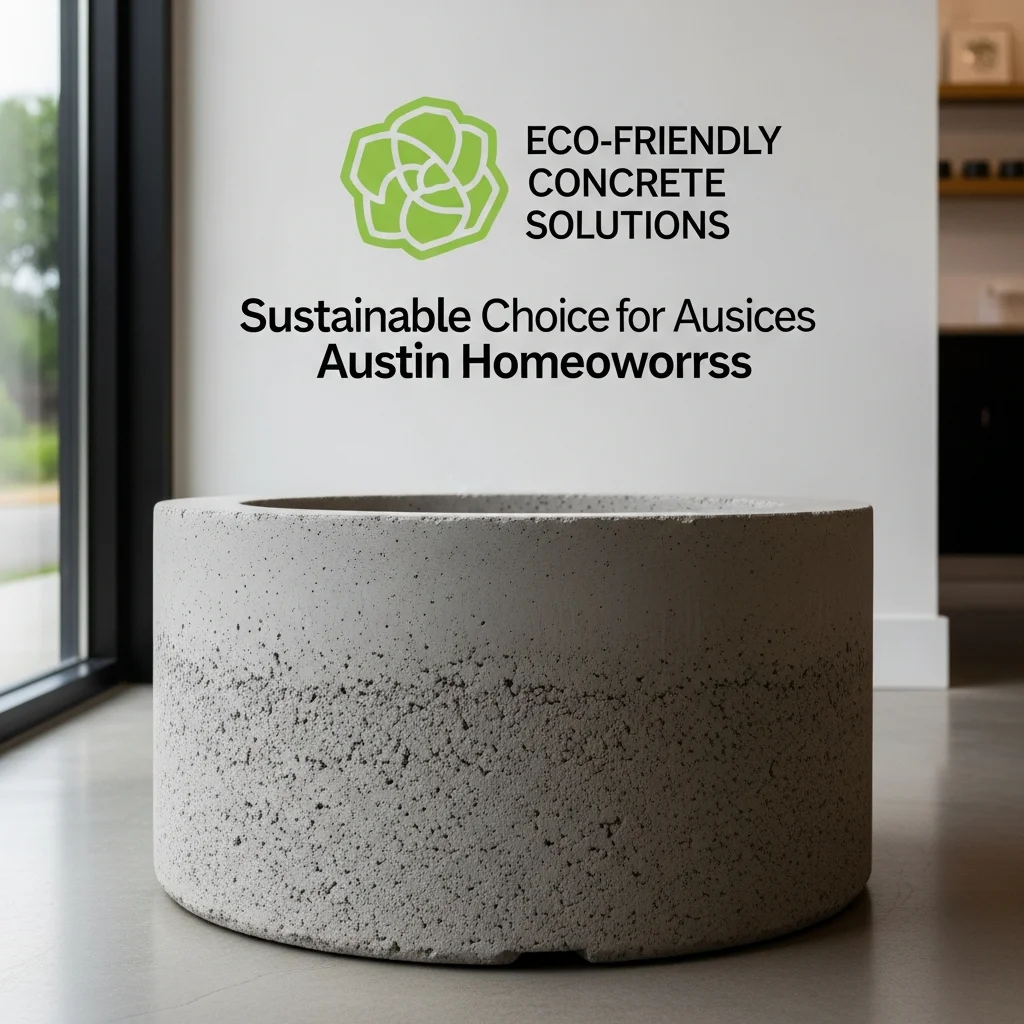
Sustainable building practices are reshaping the way Austin homeowners approach home improvement and new construction. As environmental awareness grows and local building standards evolve, more residents are seeking eco-friendly concrete options for projects ranging from driveways and patios to patios and walkways. With innovative materials, energy-saving techniques, and responsible sourcing, it’s now possible to achieve beautiful, durable concrete installations that minimize your environmental footprint, while still delivering the performance that Central Texas homes demand.
Why Eco-Friendly Concrete Matters in Austin
Austin’s rapid growth has made the need for sustainable construction practices more urgent than ever. Traditional concrete is a major contributor to worldwide CO₂ emissions, largely due to the energy-intensive process of making cement. Additionally, the region’s soil movement, frequent droughts, and heavy rains require concrete that can stand up to the elements without frequent repairs or replacements.
By choosing eco-friendly concrete solutions, homeowners can:
- Reduce the environmental impact of their home improvement projects.
- Support better air and water quality in their neighborhoods.
- Lower long-term maintenance and energy costs.
- Increase home value by meeting modern green building standards.
Let’s explore the top sustainable concrete options available in Austin and how you can make greener choices for your next project.
Eco-Friendly Concrete Mixes: What Are Your Options?
Advances in concrete technology have led to several sustainable mix designs that balance strength, aesthetics, and environmental responsibility. Here are the most effective options for Austin homeowners:
- Supplementary Cementitious Materials (SCMs): By replacing a portion of traditional Portland cement with recycled materials like fly ash, slag cement, or silica fume, SCMs reduce CO₂ emissions and often improve concrete durability. These blends are particularly beneficial for patios, driveways, and walkways exposed to Texas weather extremes.
- Recycled Aggregate Concrete: Instead of using all-new sand and gravel, recycled concrete aggregate (RCA) incorporates crushed, reclaimed concrete from demolished structures. This reduces landfill waste and conserves natural resources.
- High-Volume Fly Ash Concrete: Fly ash, a byproduct from coal-fired power plants, can replace up to 50% of the cement in a mix, significantly lowering the carbon footprint without sacrificing strength or finish quality.
- Low-Carbon and Carbon-Capturing Cements: Innovative products like limestone calcined clay cement (LC3) and cements that actively capture and mineralize CO₂ during curing are becoming more available in Central Texas.
When choosing an eco-friendly concrete mix, always discuss your project’s structural needs and aesthetic goals with a contractor experienced in sustainable solutions. Each mix performs slightly differently, and a tailored approach ensures both performance and sustainability.
Responsible Sourcing and Local Materials
Sustainability isn’t just about what goes into your concrete, it’s also about where those materials come from. Sourcing locally reduces transportation emissions and often yields materials better suited for Austin’s unique soils and climate.
- Key considerations include:-Local Aggregates: Gravel, sand, and stone sourced from Central Texas quarries minimize shipping distances and are often more compatible with regional soil conditions.
- Certified Green Suppliers: Look for suppliers who follow responsible mining practices and participate in recycling programs.
- Regional Admixtures: Additives that boost durability, workability, or weather resistance can be sourced locally to further reduce environmental impact.
By prioritizing local and recycled materials, you’re not only reducing emissions but also supporting the area’s green economy.
Innovative Energy-Saving Concrete Techniques
Concrete’s environmental impact extends beyond its initial installation. How it’s poured, finished, and maintained can also play a significant role in the overall sustainability of your project.
Some top energy-saving techniques include:
- Cool Pavement and Reflective Finishes: Light-colored or reflective concrete surfaces absorb less heat, helping to lower ambient temperatures around your home. This reduces the urban heat island effect and can lower air conditioning costs during Austin’s hot summers.
- Permeable Concrete Solutions: Also called pervious concrete, these mixes allow rainwater to filter through the surface, reducing runoff and supporting groundwater recharge. Permeable driveways and walkways are especially beneficial in areas with frequent storms or drainage concerns.
- Proper Curing Practices: Efficient curing, such as using insulated blankets or moisture-retaining curing compounds, reduces energy use and water waste while enhancing concrete strength and longevity.
- Efficient Site Preparation: Good site grading, minimal soil disturbance, and efficient use of formwork all contribute to lower embodied energy and better environmental outcomes.
Using Concrete for Long-Term Sustainability
One of the most sustainable aspects of concrete is its longevity. When installed and maintained properly, concrete surfaces can last for decades, reducing the need for frequent repairs, replacements, and associated resource use.
Here’s how concrete supports long-term sustainability:
- Durability: Eco-friendly mixes often outperform traditional blends in terms of resistance to cracking, weathering, and chemical exposure.
- Low Maintenance: Sealed and properly finished concrete requires less cleaning, fewer harsh chemicals, and infrequent resealing.
- Thermal Mass: Concrete’s ability to absorb and slowly release heat can help regulate indoor temperatures, especially when used for patios, floors, or walls adjacent to living spaces.
If you’re interested in maximizing the lifespan of your concrete, see our top tips for concrete maintenance.
Actionable Sustainability Tips for Austin Homeowners
Transitioning to eco-friendly concrete doesn’t have to be complicated. Here are practical steps you can take to make your next project more sustainable:
- Request Sustainable Mixes: Ask your contractor about using SCMs, recycled aggregates, or fly ash in your concrete mix.
- Opt for Permeable Surfaces: Where possible, choose pervious concrete for driveways, walkways, or patios to support local water management.
- Choose Lighter Colors: Select reflective or light-colored finishes to keep your property cooler and reduce energy use.
- Plan for Longevity: Invest in proper site preparation, reinforcement, and finishing to ensure your concrete lasts for decades.
- Seal for Durability: Use eco-friendly sealants to protect your concrete from moisture, stains, and UV rays. Learn more in our essential guide to concrete sealing in Austin, TX.
- Recycle Old Concrete: If you’re replacing an old slab or driveway, request that the demolition debris be recycled and reused as aggregate in your new project.
Green Building Certifications and Resources
Many Austin homeowners are interested in green building certifications such as LEED (Leadership in Energy and Environmental Design) or the Austin Energy Green Building program. Using eco-friendly concrete can help you earn points toward these certifications by lowering your project’s embodied carbon, reducing stormwater runoff, and supporting heat island reduction.
For those looking to dive deeper, here are some reputable resources:
- Austin Energy Green Building: Local guidelines and incentives for sustainable residential construction.
- U.S. Green Building Council – LEED: National standards for green building practices.
- Portland Cement Association – Sustainability: Technical information on low-carbon concrete and recycling initiatives.
Discuss your sustainability goals with your contractor early in the planning process to ensure your project aligns with certification requirements and takes full advantage of local incentives.
How ATX Concrete Contractor Supports Sustainable Concrete Projects
Our team at ATX Concrete Contractor is dedicated to helping Austin homeowners achieve lasting, beautiful results with minimal environmental impact. We stay current with sustainable concrete technologies and source materials from trusted local suppliers committed to green practices. Whether you’re interested in recycled aggregate driveways, energy-saving patios, or permeable walkways, we have the expertise to recommend the best solutions for your property.
To see examples of how sustainable concrete can transform your home, explore our top residential concrete services and our decorative concrete solutions for Austin homes.
Planning Your Eco-Friendly Concrete Project in Austin
Adopting sustainable concrete options in your next project is an investment in your home’s future and Austin’s environment. By choosing recycled materials, energy-saving techniques, and local sourcing, you’ll enjoy a durable, attractive surface that meets both your design and environmental goals.
If you’re ready to start planning, contact ATX Concrete Contractor for a free consultation. Our team will guide you through the best sustainable concrete options for Austin homeowners, provide transparent pricing, and deliver results that last for decades. Together, we can build a greener, stronger Central Texas, one project at a time.