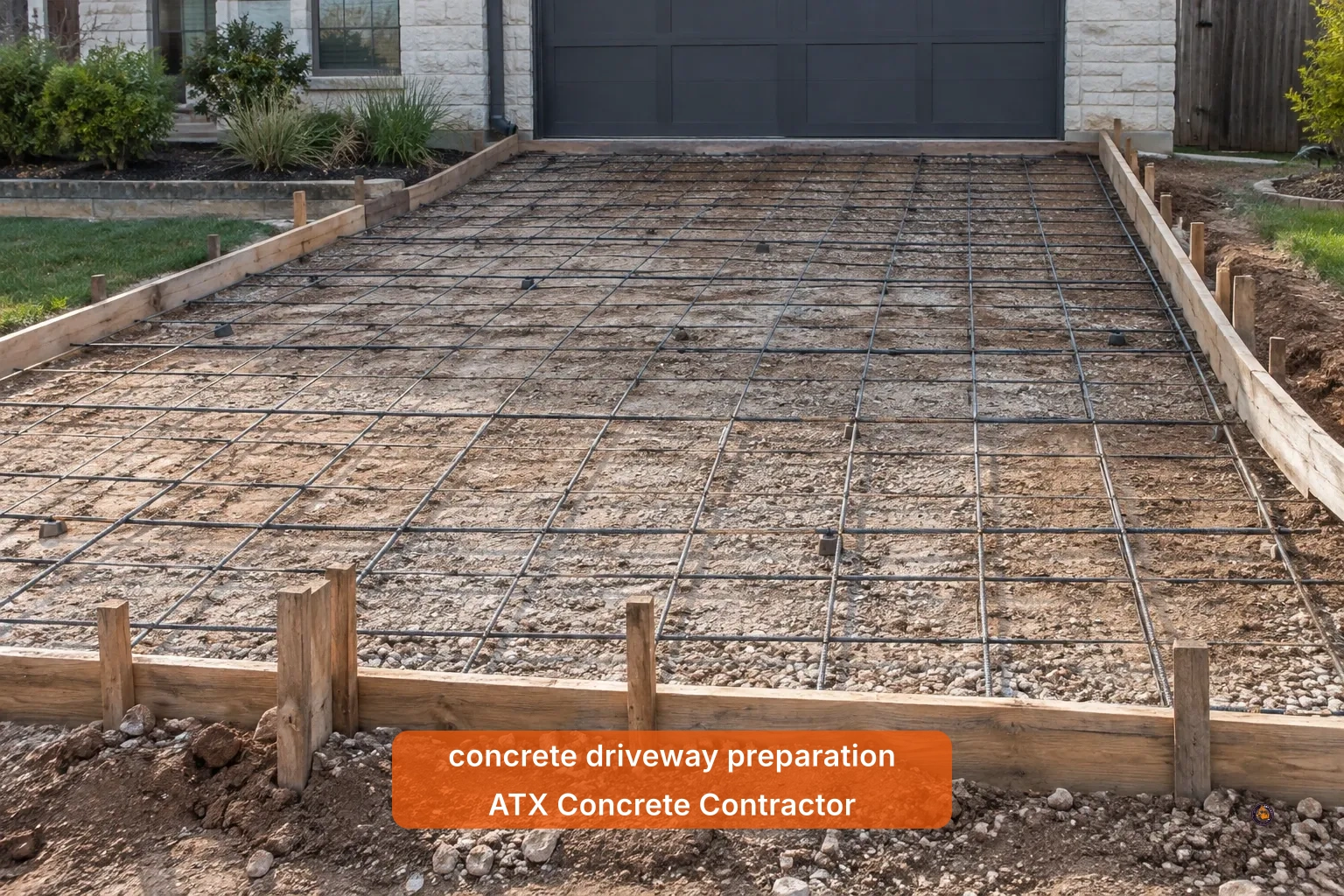
To prepare your concrete driveway for autumn weather in Austin, it is crucial to assess its current condition and plan for sealing or re-sealing before seasonal moisture arrives. A clean surface, sound joints, and an appropriate sealer form your best defense against water intrusion, stains, and the temperature swings that characterize Austin’s fall.
Autumn in Central Texas typically brings a welcome shift from peak heat to warmer days and cooler nights. This change creates optimal conditions for concrete, as it should not be too cold or too hot for installation. The combination of warm days and cool nights helps concrete cure properly, making fall the natural pouring season for concrete in Central Texas. While the weather is more favorable, proactive maintenance and preparation are essential to ensure your driveway withstands the unique challenges of autumn weather.
When preparing an existing driveway, focus on cleaning, water management, and surface protection. Begin with a thorough rinse to remove grit and debris, and treat any oil or transmission spots with a concrete-safe degreaser. If using a pressure washer, keep the wand moving and maintain a safe distance to avoid damaging the surface. Once dry, closely examine control joints and visible cracks, cleaning out any plant matter and compacted silt to allow for proper movement. For hairline cracks, use a compatible concrete crack repair product to limit water and contaminant entry. Finally, seal or re-seal the slab if water no longer beads on contact.
If you are installing new concrete this fall, timing and curing discipline are paramount. Take advantage of milder temperatures to schedule the pour when direct sunlight is less intense. Protect the fresh concrete from premature drying or unexpected rain during the curing process. There is no single universal curing method that fits every mix and site, so refer to the American Concrete Institute's guidance for best practices. As the surface hardens, postpone sealing until the material and product manufacturer’s directions indicate it is appropriate. Early application of a poorly chosen sealer can trap moisture and lead to haze.
Regardless of whether your driveway is existing or new, checking drainage is essential. Sometimes, the correction is as simple as clearing a nearby area drain or trimming back turf that has encroached on the slab. For more complex grading or drainage issues, a site-specific plan may be necessary. If drainage becomes a recurring issue, consider reviewing our seasonal perspective in the Top Spring Drainage Solutions for Your Austin Property.
To effectively prepare your driveway for cooler nights, occasional showers, and heavier leaf fall, follow a comprehensive checklist. Regular cleaning and targeted maintenance can significantly reduce the risk of seasonal damage and staining. Start by sweeping and rinsing to remove grit, acorns, and leaf litter that can leave stains when wet. Next, degrease any fresh spills to prevent permanent discolorations. Clear the joints by removing weeds and packed debris to ensure proper function. Inspect for cracks by marking hairlines for monitoring and noting any that widen or collect water. Seal only after the crack is clean and dry.
After a rain, check drainage by walking the slab and noting any pooling or runoff paths that carry mud onto the surface. Evaluate the sealer by sprinkling water in a few spots; if it soaks in rather than beading up, plan to seal or re-seal with a product that meets your traction and appearance goals. Protect edges by trimming turf flush with the slab to avoid trapping moisture, and top up adjacent beds to prevent soil from washing across the driveway. If you expect deliveries or a dumpster this season, designate a landing spot that the slab can support and use pads if necessary. Commit to a simple weekly sweep during peak leaf drop to prevent staining and slippery buildup. Finally, document your driveway's condition with photos to help you spot patterns and plan smarter maintenance.
Common mistakes during autumn maintenance can lead to significant issues. Two prevalent sealing errors involve applying a sealer over a damp or dirty slab, which can result in whitening, clouding, or peeling, and over-applying sealer in hopes of providing extra protection, which can create a soft, hazy surface that traps moisture and becomes slick when wet. Both problems can be avoided by ensuring thorough cleaning, allowing full drying time, and adhering to the manufacturer’s spread rate.
Another common misconception is treating pressure washing as a cure-all. Bringing the nozzle too close can damage the surface and expose the concrete to faster soiling and wear. Use pressure washing sparingly, as an occasional reset rather than a weekly habit. Ignoring drainage issues because they only occur after heavy storms is also a mistake; water that lingers can accelerate wear and drive sediments into joints and microcracks. Additionally, do not assume that a hairline crack necessitates total replacement or that a crack you can catch a fingernail in indicates structural failure. Slab behavior is influenced by various factors, including subgrade, reinforcement, jointing, loading, and exposure.
If you encounter cracks that multiply or widen, drainage changes that exceed simple edging and debris removal, uncertainty about sealer compatibility, or if you are weighing spot repair versus resurfacing, it may be time to consult a professional. Our notes on scope and durability considerations in related posts can help you frame the right questions, and the broader view in our Essential Guide to Concrete Sealing in Austin, TX, serves as a useful primer before comparing options.
For related details, review A Practical Guide from ATX Concrete Contractor and The Lowest Concrete Bid Is Only a Bargain If the Prep Work Is Included.
For homeowners looking to prepare their concrete driveway for autumn weather in Austin, enlisting a seasoned local team can ensure proper inspection, cleaning, joint work, sealing, or larger repairs. Call ATX Concrete Contractor in Austin to help protect your driveway for the season ahead and the years that follow.